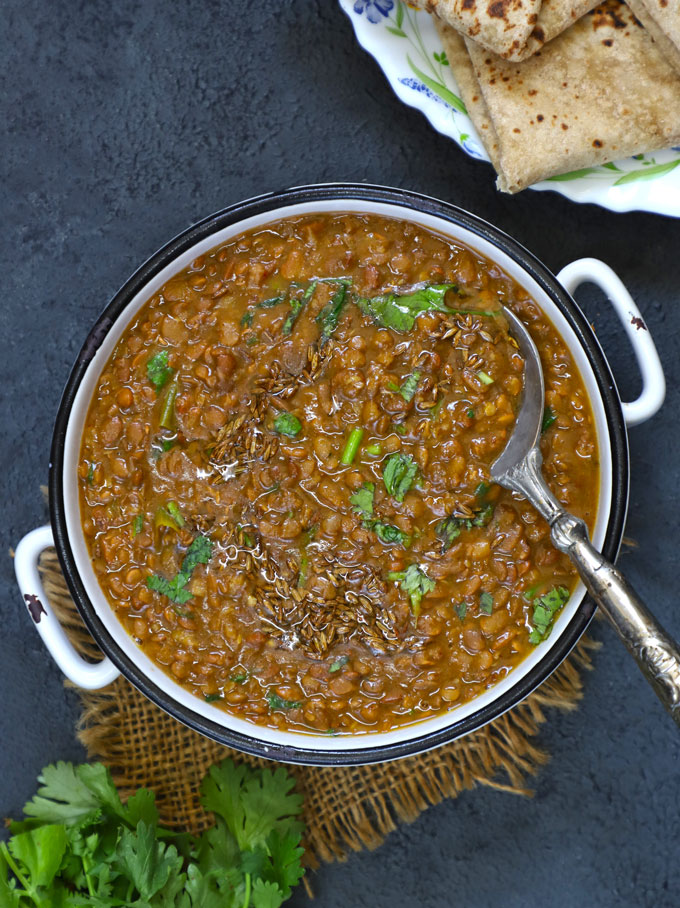
This is a Pahadi-style Gahat Ki Dal recipe. It is also known as Kulath dal or horse gram stew. It is a wholesome, hearty, and healthy Indian dal.
About Horse Gram
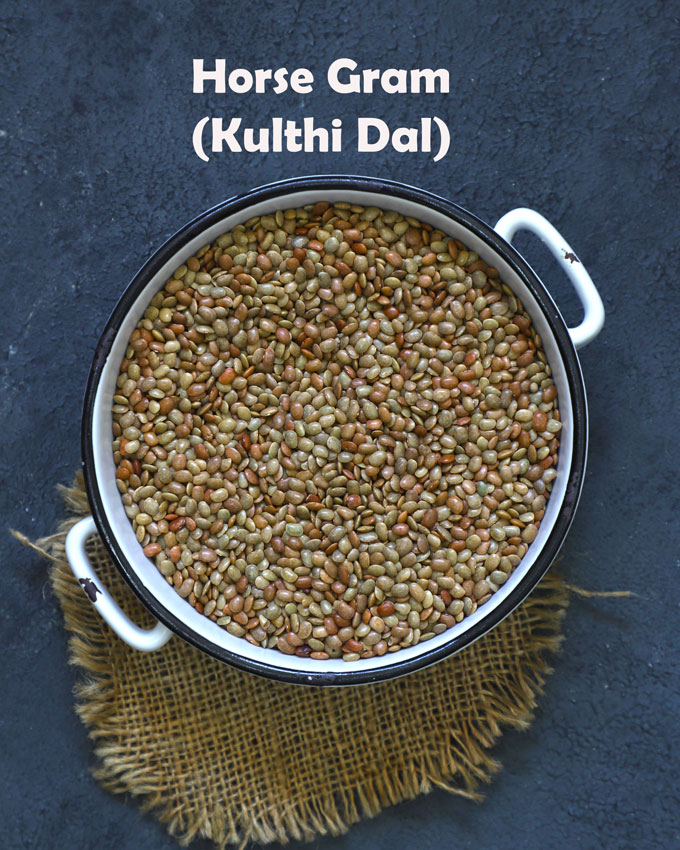
To many, the name at first name, horse gram, sounds weird. The whole legume seeds are fed to the cattle, which explains the story behind this name.
Horse gram is known as Gahat, Kulath, or Kulthi Dal.
Like many other native ingredients of Uttarakhand and other hilly terrains, Gahat is grown with many hardships on the terrace farms.
Horse Gram has a high nutritional value and tons of health benefits.
- It is high in protein
- It lowers blood sugar
- It reduces constipation
- It is a great antioxidant
- It helps in removing kidney stones
In short, it is a fantastic superfood recommended by many professional dieticians and nutritionists.
Pahadi Style Gahat Dal
I come from a Kumaoni family in Uttarakhand. My mother, who has spent a considerable part of her teen years in her paternal village – Paithani- greatly affection for local produce and Kumoni Cuisine.
During our growing years, one of her distant cousins, every year, before the first winter breeze, would send one bag full of Pahadi Gahat along with Pahadi Bhatt (black soybean) and Mandua flour.
Pahadi Gahat Ki Dal with bhaat (steamed rice) is a staple combination in our Kumaoni household. In a heavy traditional cast iron pot, Gahat Dal is stewed with aromatic ginger, garlic, and Jumbu/Jimbu (a local herb).
The gahat ki dal is slow-cooked for quite some time for the flavors to develop and to tease the senses of hungry goblins roaming around with its alluring aroma.
And at last time for the sizzling melodrama of Indian kitchen – tadka (tempering), with a ladle full of ghee, cumin, and herbs.
Ingredients Required
Horse Gram: It is a brown color legume commonly known as Gahat or Kulthi Ki Dal in India.
Herbs: Ginger, Garlic, Jumbu (Jimbu) , Gandrain
Spices: Cumin Seeds, Asafoetida, Red Chili Powder, Turmeric Powder
Ghee: It balances the dal’s protein and gives it a delicious taste. Hence, I would not recommend using any other cooking oil or fat.
Rice Flour: A slurry or paste of rice flour with water gives a luscious texture to the gahat dal.
Other Ingredients: Salt, Green Chili, Water, Fresh Coriander Leaves
How To Make
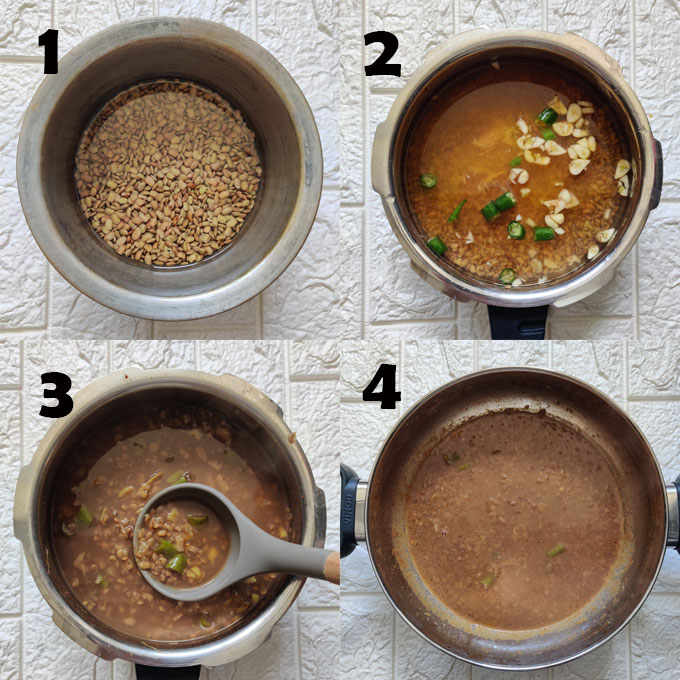
Step 1) Clean, rinse, and soak the Gahat for 4 – 5 hours in water. Please note that the soaked water is used for cooking the dal and has a lot of nutrients ( image 1 ).
Step 2) Add dal with water, green chili, grated ginger, garlic, salt, red chili, and turmeric powder in a pressure cooker. Stir it. Close the lid of the pressure cooker and place the whistle on it ( images 2 & 3 ).
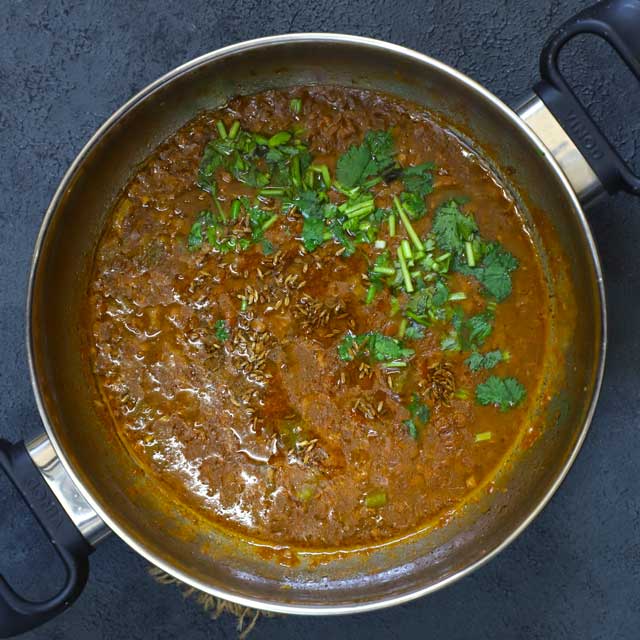
Step 3) Over low heat, cook the dal for 3 – 4 whistles. Let the pressure release naturally. Open the pressure cooker, and check dal for doneness. It should be fully cooked ( image 4 ).
Step 4) Turn on the heat. Start simmering the dal over low heat.
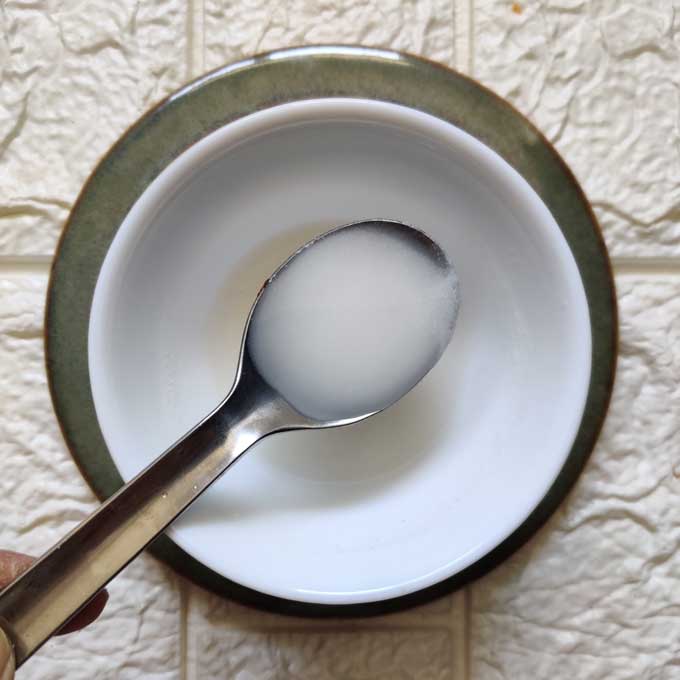
Step 5) Make a slurry or paste of rice flour and water. Add it to the simmering dal along with Jumbo and Gandrain. Mix nicely. Continue simmering the Gahat Dal over low heat. Stirring occasionally and gently mash dal with the back of the spoon/ladle to thicken it.
Step 6) For tempering the dal, heat ghee in a small tadka pan, add cumin seeds once they crackle, add asafoetida, immediately add this tempering over the dal and mix nicely. Cover the dal with a lid.
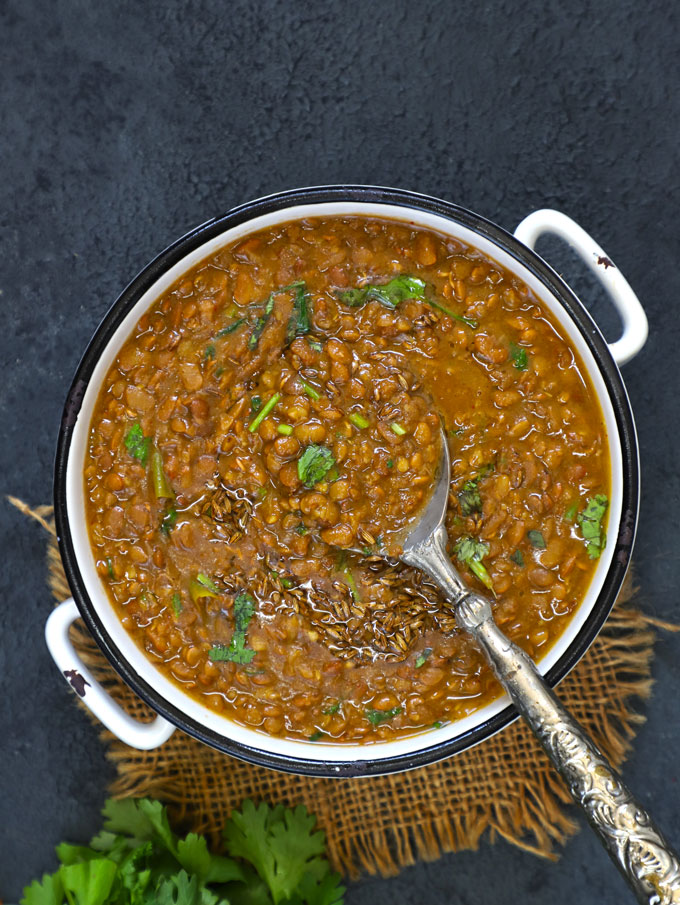
Garnish with chopped coriander leaves. Serve Pahadi Gahat ki Dal with bhaat.
My Tried & True Tips
Horse Gram requires a soaking time of 4 – 5 hours before cooking. It can do more harm than good if cooked without soaking.
Jumbo and Gandrain are two local herbs from Uttarakhand. They are added to Gahat Dal for their aroma, taste, and medicinal properties.
Pahadi Gahat Dal tastes best when slow-cooked over low heat. I suggest for the best results, do not rush the whole process.
Rice Flour helps in thickening the dal and gives it a delicious texture. Do not use cornstarch or all-purpose flour.
Horse Gram is a high-protein legume. Hence, we add ghee (fat) spoonfuls to it for easy digestion.
Horse Gram has a very bland taste. Hence, the fresh herbs, spices, and ghee give all the taste to the dal.
In Kumaoni style Gahat Dal, we do not add onion, tomato, garam masala , or ginger garlic paste . If you skip the garlic, it is a fabulous no onion, no garlic dal recipe.
More Kumaoni Recipes
Mooli Ki Jholi
Aloo Ke Gutke
Pahadi Aloo Paani
Kumaoni Dal Bada
Pahadi Lai Ki Sabzi
Pahadi Kheere Ka Raita
If you try this recipe and love it, please leave a comment and a rating. This helps us grow and reach other food lovers like you.
Ingredients
- ▢ 1 Cup horse gram (gahat/kulthi)
- ▢ 2 chopped green chili
- ▢ 1 tablespoon chopped ginger
- ▢ 1 tablespoon garlic cloves
- ▢ ¼ teaspoon turmeric powder
- ▢ 1 teaspoon red chili powder
- ▢ 1 ¼ teaspoon salt or to taste
- ▢ 6 Cup water
- ▢ 1 teaspoon Jumbu (a local Kumaoni herb)
- ▢ 1 teaspoon Gandherin (a local Kumaoni herb)
- ▢ 1 tablespoon rice flour
For tempering
- ▢ 4 tablespoon ghee
- ▢ 2 teaspoon cumin seeds (jeera)
- ▢ ¼ teaspoon hing (asafoetida)
Instructions
- Clean, rinse, and soak the Gahat for 4 – 5 hours in water. Do not throw away the saoked water. It is used to cook the dal.
- Add dal with water, green chili, grated ginger, garlic, salt, red chili, and turmeric powder in a pressure cooker. Stir it. Close the lid of the pressure cooker and place the whistle on it.
- Over low heat, cook the dal for 3 – 4 whistles. Let the pressure release naturally. Open the pressure cooker, and check dal for doneness. It should be fully cooked.
- Turn on the heat. Start simmering the dal over low heat.
- Make a slurry of rice flour and water. Add it to the simmering dal along with Jumbo and Gandrain. Mix nicely. Continue simmering the Gahat Dal over low heat. Stirring occasionally and gently mash dal with the back of the spoon/ladle to thicken it.
- For tempering the dal, heat ghee in a small tadka pan, add cumin seeds once they crackle, add asafoetida, immediately add this tempering over the dal and mix nicely. Cover the dal with a lid.
- Garnish with chopped coriander leaves.
- Serve Pahadi Gahat ki Dal with bhaat.
Recipe Notes:
- Horse Gram requires a soaking time of 4 – 5 hours before cooking. It can do more harm than good if cooked without soaking.
- Jumbo and Gandrain are two local herbs from Uttarakhand. They are added to Gahat Dal for their aroma, taste, and medicinal properties. If not available, use one teaspoon of Kasuri Methi.
- Do not use cornstarch or all-purpose flour instead of rice flour slurry.
Nutrition
We follow a strict NO SPAM Policy
Pahadi Gahat Ki Dal Recipe
Equipment
- Heavy Bottom Kadhai
Ingredients
- 1 Cup horse gram (gahat/kulthi)
- 2 chopped green chili
- 1 tablespoon chopped ginger
- 1 tablespoon garlic cloves
- ¼ teaspoon turmeric powder
- 1 teaspoon red chili powder
- 1 ¼ teaspoon salt or to taste
- 6 Cup water
- 1 teaspoon Jumbu (a local Kumaoni herb)
- 1 teaspoon Gandherin (a local Kumaoni herb)
- 1 tablespoon rice flour
For tempering
- 4 tablespoon ghee
- 2 teaspoon cumin seeds (jeera)
- ¼ teaspoon hing (asafoetida)
Instructions
- Clean, rinse, and soak the Gahat for 4 – 5 hours in water. Do not throw away the saoked water. It is used to cook the dal.
- Add dal with water, green chili, grated ginger, garlic, salt, red chili, and turmeric powder in a pressure cooker. Stir it. Close the lid of the pressure cooker and place the whistle on it.
- Over low heat, cook the dal for 3 – 4 whistles. Let the pressure release naturally. Open the pressure cooker, and check dal for doneness. It should be fully cooked.
- Turn on the heat. Start simmering the dal over low heat.
- Make a slurry of rice flour and water. Add it to the simmering dal along with Jumbo and Gandrain. Mix nicely. Continue simmering the Gahat Dal over low heat. Stirring occasionally and gently mash dal with the back of the spoon/ladle to thicken it.
- For tempering the dal, heat ghee in a small tadka pan, add cumin seeds once they crackle, add asafoetida, immediately add this tempering over the dal and mix nicely. Cover the dal with a lid.
- Garnish with chopped coriander leaves.
- Serve Pahadi Gahat ki Dal with bhaat.
Notes
- Horse Gram requires a soaking time of 4 – 5 hours before cooking. It can do more harm than good if cooked without soaking.
- Jumbo and Gandrain are two local herbs from Uttarakhand. They are added to Gahat Dal for their aroma, taste, and medicinal properties. If not available, use one teaspoon of Kasuri Methi.
- Do not use cornstarch or all-purpose flour instead of rice flour slurry.
Nutrition
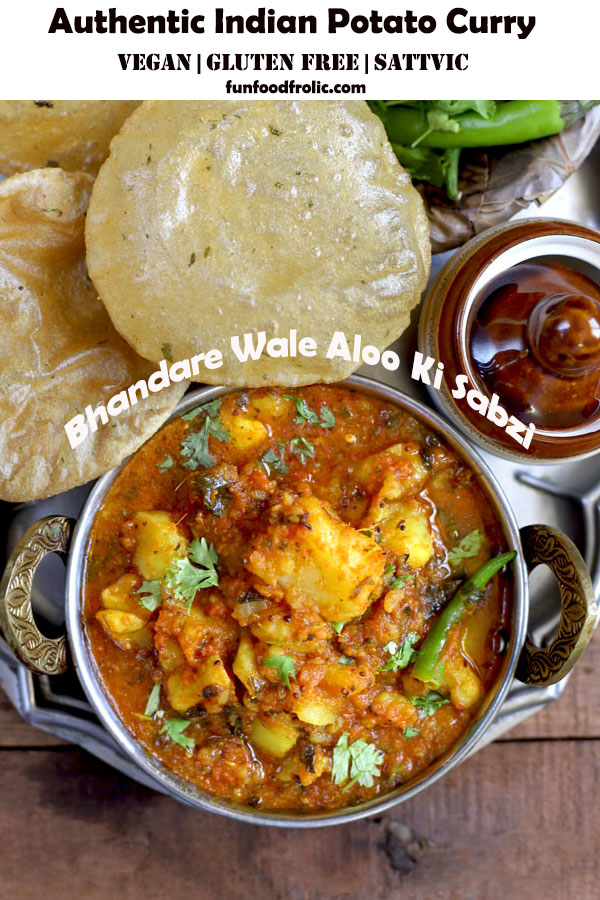
Aloo Ki Sabzi is a traditional Indian potato curry cooked without onion or garlic. It is a gluten-free, vegan Indian curry. Be sure to watch the video!
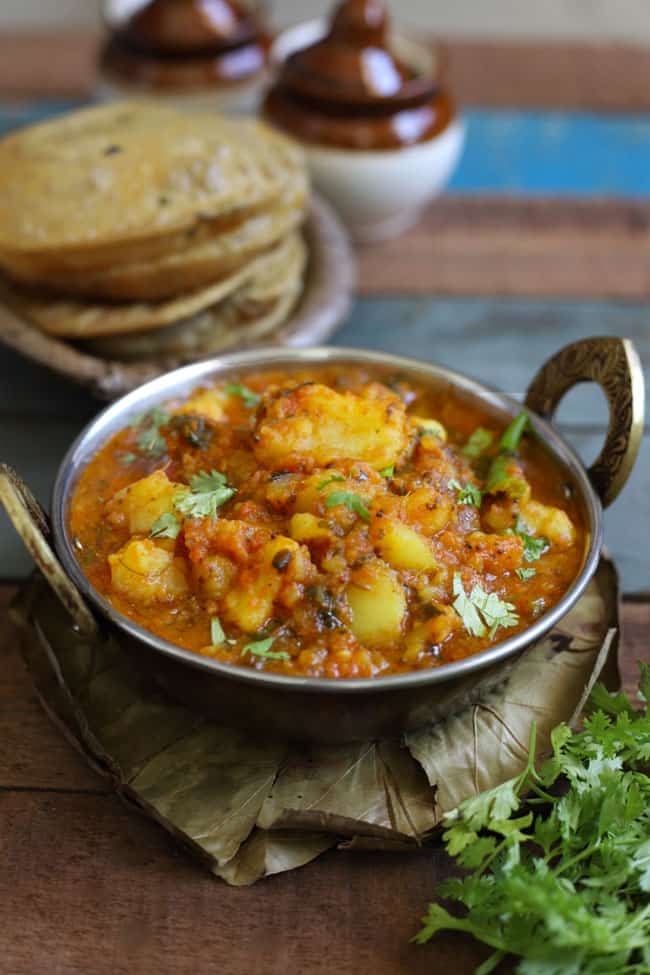
Mathura Style Aloo Ki Sabzi
Mathura (Uttar Pradesh) is a holy city in India with immense historical/religious importance. It is a town of great color, culture, and cuisine. The spiritual significance of this place also impacts the cuisine of the region.
The cuisine of Mathura is mainly sattvic, rich in dairy, and mainly around fresh produce.
This aloo ki sabzi provides energy and keeps you fulfilled for a longer time, which is essential while following a sattvic diet.
A dish that feels like tradition and tastes just like the festive season. Following closely in the footsteps of my arbi ki sabji recipe.
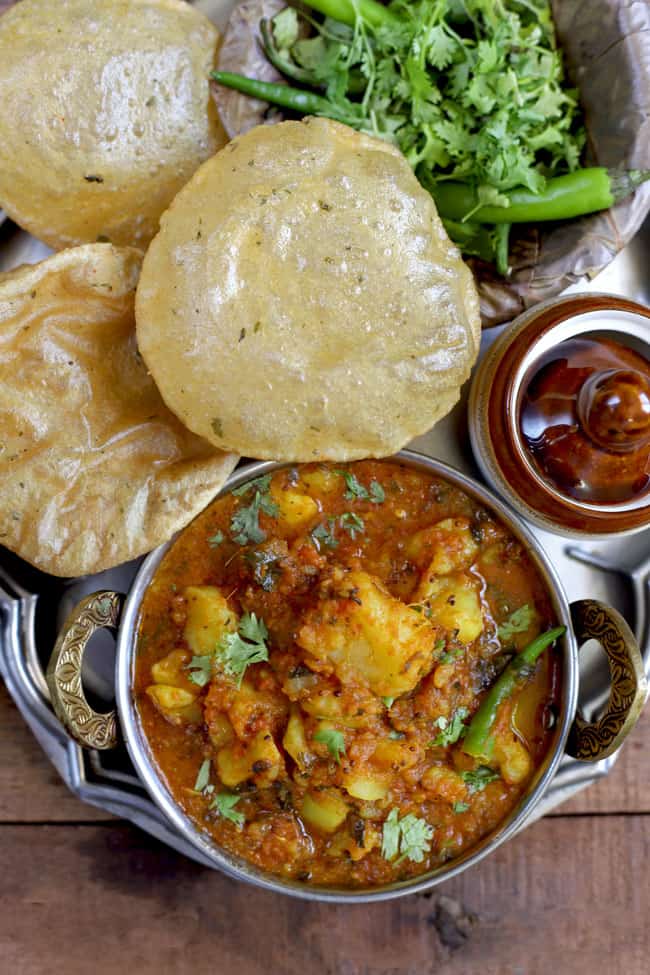
During the festive season in India, most of us follow a traditional Indian meal menu and go with wholesome no-onion/garlic dishes.
Hence, this Mathura style dubki wale aloo is just perfect for the purpose.
More Reasons to LOVE Indian Potato Curry
- vegan and vegetarian
- gluten-free and nut free
- easy to cook and store
- requires minimal ingredients
- wholesome, fulfilling, and delicious
All of us know potatoes are delicious in every form. This aloo ki sabzi is also bae and will soon become one of your favorite potato recipes.
Watch Aloo Sabzi Video
My Tried & True Tips
Choose firm ripe tomatoes and quality spices to give you the best local flavors and warmth in this aloo ki sabzi.
For an authentic flavor, use either mustard oil or ghee to cook this potato curry.
The key flavoring ingredients of this potato curry are – asafoetida, fenugreek, and ginger.
The Mathura style aloo sabzi has a rustic, thick, and luscious texture. After adding the boiled potatoes, gently mash them in a curry to make them thick.
Pressure Cooker Aloo Sabzi
If you are looking for a curry in a hurry, then this potato curry recipe is the best. To make it in a pressure cooker or instant pot , no need to boil the potatoes separately. You can get delicious instant pot-friendly North India-style Pumpkin Potato Curry recipe in my cookbook .
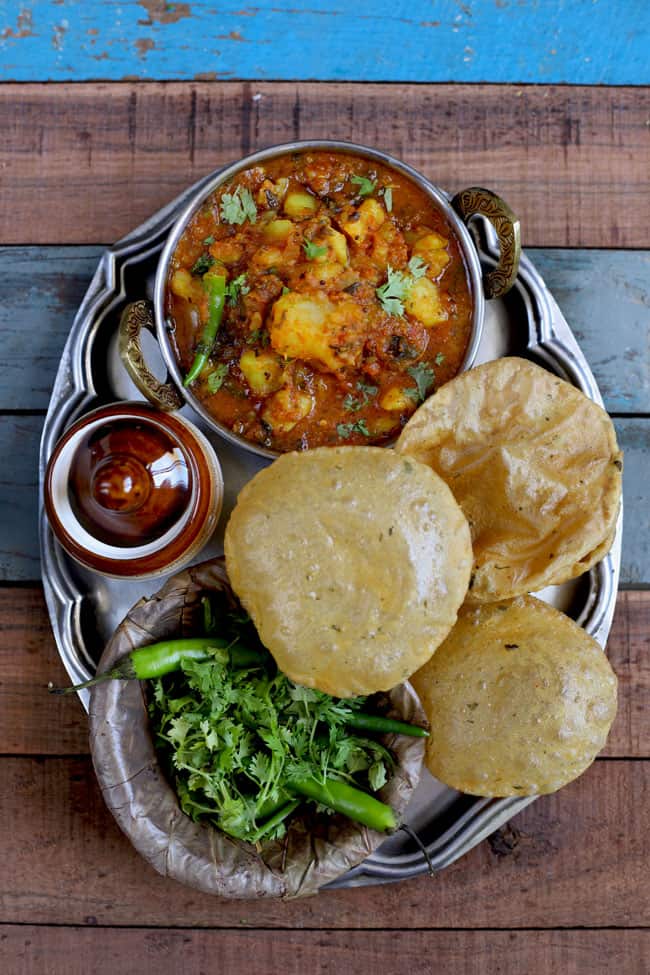
Serving Suggestion
There’s something so pure about making an entire meal of aloo ki sabzi – the aroma of the spices spluttering in the hot ghee, the tangy gravy being stirred in a kadhai, the hot puris puffing up. A treat for the culinary senses.
The spicy, soupy vegan potato curry, along with poori or paratha, raita , homemade pickle , and masala tea does a fantastic job at satisfying your festive cravings.
I love to tuck into this bit of yumminess on a beautiful winter morning for indulgent Indian breakfast and be thankful for all we have – family, friends, and good food.
More Potato Recipes
Dahi Potato Curry
Masala Potato Fry
Pahadi Aloo Ke Gutke
Pahadi Style Aloo Curry
Bombay Potatoes (Masala Aloo)
If you try this recipe and love it, please leave a comment and a rating. This helps us grow and reach other food lovers like you.
Ingredients
- ▢ 2 – 3 medium size potato
- ▢ 4 tablespoon mustard oil
- ▢ 1 teaspoon mustard seeds (rai)
- ▢ 1 teaspoon cumin seeds (jeera)
- ▢ ¼ teaspoon fenugreek seeds (methi dana)
- ▢ a pinch of asafoetida
- ▢ 1 teaspoon red chilli powder
- ▢ ½ teaspoon turmeric powder
- ▢ ½ teaspoon coriander powder (dhaniya powder)
- ▢ Salt to taste
- ▢ 1 teaspoon kasuri methi (dry fenugreek leaves)
- ▢ 1 – 2 green chilli, sliced
Ingredients Grind into Paste:
- ▢ 2 medium-size ripe tomato
- ▢ 1-inch piece of ginger, peeled and chopped
Instructions
Boil Potato
- To boil the potatoes use either pressure cooker or microwave. Allow them to cool down a bit. Peel and roughly dice them into chunks. Set aside till required.
Make Paste:
- Grind tomato and ginger into a smooth paste using water in a blender. Keep it aside.
Prepare Aloo Curry:
- Heat mustard oil in a kadhai till it starts smoking. Reduce the heat to low.
- Add mustard seeds, fenugreek seeds, cumin, and asafoetida. Fry for 1 – 2 seconds.
- Next, add the tomato paste and fry till oil separates from the masala.
- Add spices, salt, and boiled potato. Stir to combine nicely.
- Add approximately 2 cups of water and allow the curry to simmer over low heat till it thickens a bit. At this stage, gently mash the potatoes using the back of the ladle to thicken the curry.
- Sprinkle kasuri methi, green chilli, and fresh coriander leaves. Stir nicely.
- Serve Mathura Style Aloo Ki Sabzi with piping hot poori .
Recipe Notes:
- Choose firm ripe tomatoes to make curry.
- U se either mustard oil or ghee for cooking this potato curry.
- Adjust the number of green chilies and red chili according to taste.
- The Mathura style aloo sabzi has a rustic, thick, and luscious texture. To achieve that, after adding the boiled potatoes gently mash them in a curry to make it thick.
Nutrition
We follow a strict NO SPAM Policy
