
Who doesn’t love a good, delicious homemade Chicken Biryani for lunch? But many of us fear the grisly Biryani making process, which is a test of one’s patience and perseverance. I’m the kind of person who is always in need of the cheat recipes for the lazy days. Whether it is my 30-Minute Butter Chicken Recipe or Leftover Chicken Biryani both comes handy on days when I am in no mood to spend hours in the kitchen. Such recipes are a great way to restate the leftovers from the previous day sitting in the fridge. So I’m super happy to be bringing this leftover chicken biryani recipe to you. From scratch, quick and easy, and loaded with bursting real biryani like character. All that you can achieve in less than an hour. Trust me on this!!
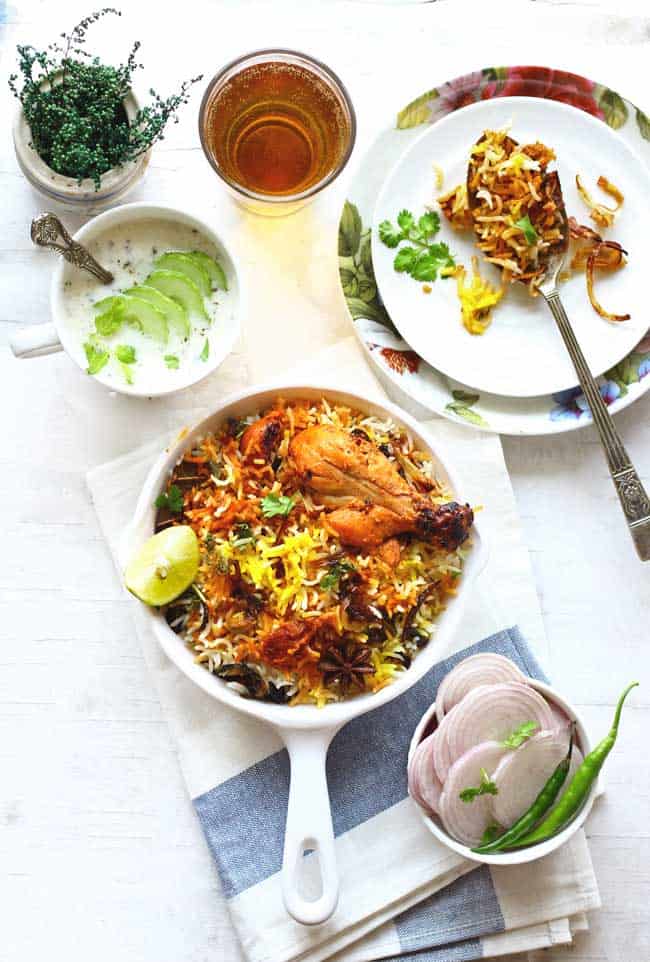
On certain days when nobody in the family is interested in eating chicken curry from the previous day, making biryani out of it is a kind of wise decision. Stir up simple raita, onion salad and reserve some curry to serve with biryani. And in no time, you have an elaborate yet fuss-free biryani meal ready for your family. Get yourself a glass of chilled beer, or your favorite soda, sit around the table with your loved ones and enjoy this biryani. One thing I’ve really tried hard to do as a food blogger is to keep the food simple, easy to cook and super delicious. Basic dishes with fresh, everyday ingredients that people feel comfortable making. After all, this is how I like to cook on a daily basis. Once in a while, I do the classic Chicken Biryani from scratch as well. And that tastes absolutely divine too. But if you ask me, this one is my personal favorite.
The blog was in desperate need of a good meaty recipe. It’s been ages since we last published a non-vegetarian recipe. I guess it was Easy Butter Chicken Naan Pizza . That was sometime in the month of August. Oh my gosh, that is after a gap of almost two months. Time to share meat recipes more often. Till then, learn how to make leftover chicken biryani .


Ingredients
- ▢ 250 gm cooked chicken curry see recipe
- ▢ 1 Cup basmati rice
- ▢ 2 large onions sliced
- ▢ 2 - 3 green chili sliced
- ▢ 1 bay leaf
- ▢ 2 cloves
- ▢ 2 star anise pieces
- ▢ 4 green cardamom crushed
- ▢ ¼ teaspoon saffron strands
- ▢ 4 tablespoon milk
- ▢ 2 tablespoon chopped coriander leaves
- ▢ 2 tablespoon chopped mint leaves
- ▢ 4 tablespoon ghee clarified butter
- ▢ Salt to taste
Instructions
- Take leftover chicken curry out of the fridge and let it come to room temperature.
- Rinse and soak basmati rice in enough water. Set aside.
- Soak saffron in 2 tablespoon of warm milk, stir and set aside.
- Now shred large pieces of chicken into bite-size pieces and combine nicely in the curry. Discard the bones.
- Fill 6 - 8 Cups of water in a wide pan, bring to boil. Add one star anise, two cardamom pods, cloves and a pinch of salt. When water boils, add rice in water. Stir once.
- Once rice is 80% cooked turn off the heat. Drain the water from the rice.
- In a heavy bottomed pan or heavy duty casserole ( buy it here ), heat ghee .
- Add whole spices (bay leaf, one star anise, 2 cardamom). Fry till the aroma of spices is released.
- Add the thinly sliced onions and fry till these are deep golden brown in color. Take out half of the onions; we will use them later.
- Add the chicken curry along with the shredded pieces and green chili. Stir to combine.
- Season with salt to taste and a teaspoon of garam masala. Remember, the spice level of curry will toned down once combined with rice so it is best to season the curry generously.
- Let all the masala and chicken curry mix well. Give it 4 - 5 minutes to simmer. Add ¼ Cup of water if the curry seems too thick.
- Now to layer rice and chicken. Spread layer of rice over chicken, sprinkle chopped coriander leaves, mint leaves, brown onions and saffron soaked in milk.
- Cover the vessel with a tight fitting lid or seal the edges of the pan with the chapati dough.
- Let biryani cook for 10 minutes on low flame. Turn off the heat. Open the lid only once you are ready to serve the Biryani. Gently mix the biryani before serving.
- Serve Biryani with raita ( see recipe ), salad and if possible curry of leftover chicken.
Recipe Notes:
We follow a strict NO SPAM Policy

Leftover Chicken Biryani
Ingredients
- 250 gm cooked chicken curry see recipe
- 1 Cup basmati rice
- 2 large onions sliced
- 2 - 3 green chili sliced
- 1 bay leaf
- 2 cloves
- 2 star anise pieces
- 4 green cardamom crushed
- ¼ teaspoon saffron strands
- 4 tablespoon milk
- 2 tablespoon chopped coriander leaves
- 2 tablespoon chopped mint leaves
- 4 tablespoon ghee clarified butter
- Salt to taste
Instructions
- Take leftover chicken curry out of the fridge and let it come to room temperature.
- Rinse and soak basmati rice in enough water. Set aside.
- Soak saffron in 2 tablespoon of warm milk, stir and set aside.
- Now shred large pieces of chicken into bite-size pieces and combine nicely in the curry. Discard the bones.
- Fill 6 - 8 Cups of water in a wide pan, bring to boil. Add one star anise, two cardamom pods, cloves and a pinch of salt. When water boils, add rice in water. Stir once.
- Once rice is 80% cooked turn off the heat. Drain the water from the rice.
- In a heavy bottomed pan or heavy duty casserole ( buy it here ), heat ghee .
- Add whole spices (bay leaf, one star anise, 2 cardamom). Fry till the aroma of spices is released.
- Add the thinly sliced onions and fry till these are deep golden brown in color. Take out half of the onions; we will use them later.
- Add the chicken curry along with the shredded pieces and green chili. Stir to combine.
- Season with salt to taste and a teaspoon of garam masala. Remember, the spice level of curry will toned down once combined with rice so it is best to season the curry generously.
- Let all the masala and chicken curry mix well. Give it 4 - 5 minutes to simmer. Add ¼ Cup of water if the curry seems too thick.
- Now to layer rice and chicken. Spread layer of rice over chicken, sprinkle chopped coriander leaves, mint leaves, brown onions and saffron soaked in milk.
- Cover the vessel with a tight fitting lid or seal the edges of the pan with the chapati dough.
- Let biryani cook for 10 minutes on low flame. Turn off the heat. Open the lid only once you are ready to serve the Biryani. Gently mix the biryani before serving.
- Serve Biryani with raita ( see recipe ), salad and if possible curry of leftover chicken.
Notes
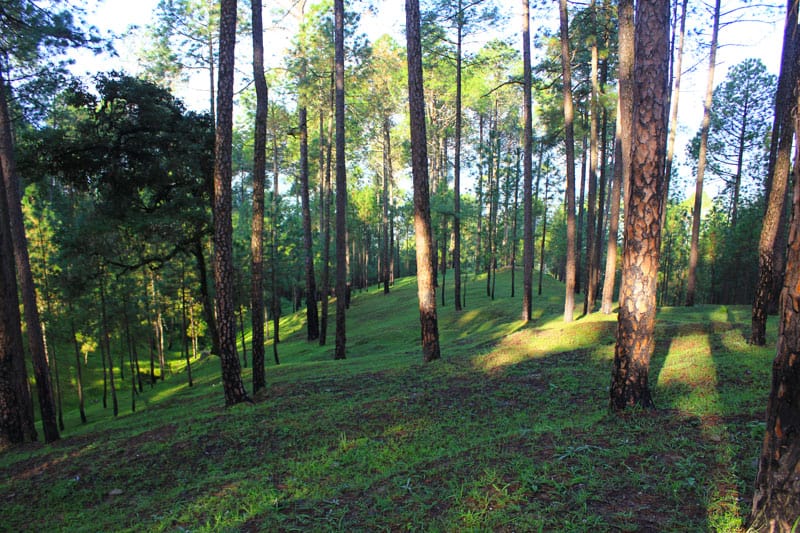
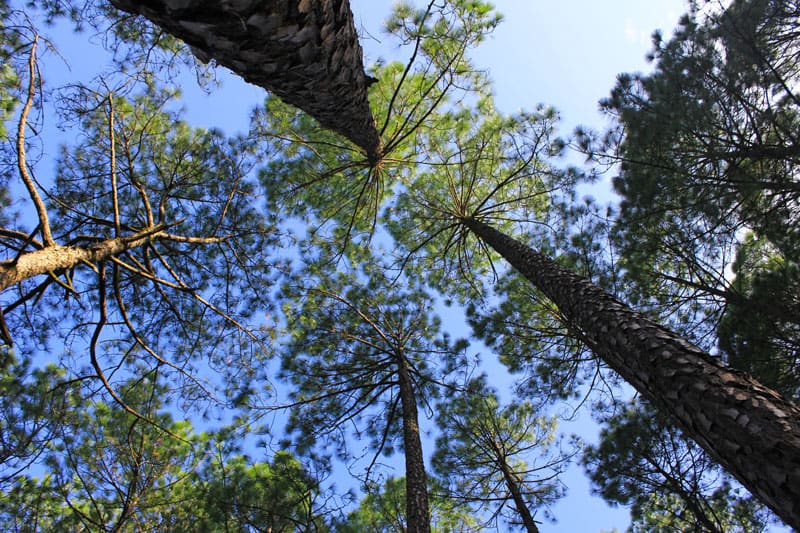
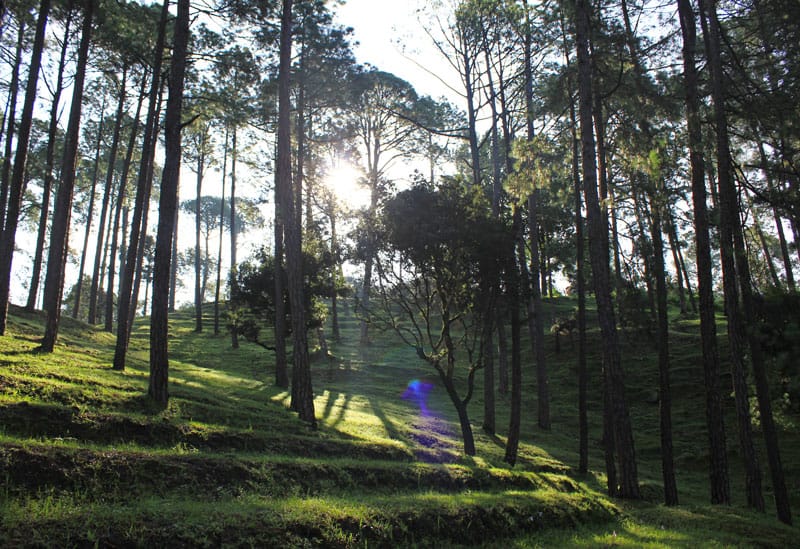
Holidays are just around the corner and soon families will start packing for the annual summer vacation! Are you also one among the many die-hard explorers who just doesn’t get satisfied visiting the usual places again and again? If you have a will to experiment the unexplored then Ranikhet is the perfect summer getaway for you. The pine, oak, and deodar forest will soothe your eyes and would bring you close to the natural virtue. Those giant trees have formed ravishing green patches against the brown backdrop. One can stand still at a place and savor the serenity of the place. Ranikhet is a pleasant change from other hill stations that are commercialized and overly crowded. It is quiet, tranquil, a welcome change from the interminable roar of the city life.
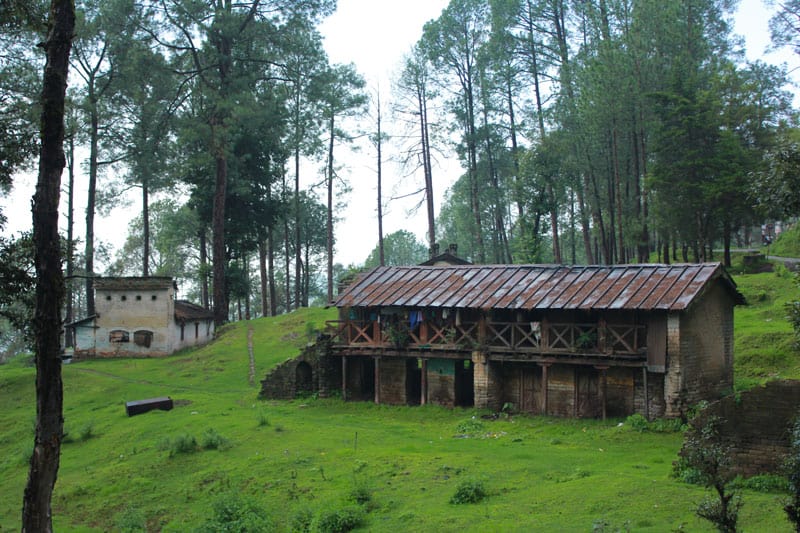
We are a bit biased towards destinations with intense natural habitat, whether it is Jageshwar or Dubare Elephant Park . Want to know why?Because all those years of living in a hill station have instilled in us a profound love for nature. So when it comes to planning vacations we often end up picking hill stations or wildlife sanctuaries that are far far away from the metropolitan mayhem. And Ranikhet is always been one of our favorite holiday destination in India. Maybe that is a strong statement to make. But I have tons of childhood memories associated with this place and that might be one of the prime reason for my fondness for it. But once you visit the place I am sure it will give you many more reasons to fall in love with it.
My maternal grandmother was born and brought up in Ranikhet . Her’s was one of the oldest families of the town. Later, my mother and her family spent a considerable amount of time in this hill station. My mother has loads of tales to tell about her adventures in Ranikhet . During those days, it was more of a far-far away countryside kingdom. And due to my mother’s emotional attachment to the place, we have spent many memorable summer vacations in her ancestral home, exploring the place holding her finger while to the listening stories of her childhood escapades around the town. To be honest, those are still one of my favorite holiday memoirs.
Every place has a fascinating history behind it. And so has Ranikhet . It has a romantic legend of Raja Sukhardev and his beloved wife Rani Padmini. It is said that Rani Padmini was enchanted with the beauty of this untouched village in the Kumaon hills and asked the king to build a palace for herself. And hence the name of the place is Rani-khet, the queen’s meadow. Though there is no clear evidence of any palace in Ranikhet. You might found more about this palace and the king’s regime in the books of history, but I never heard any tales of this palace from the locals.
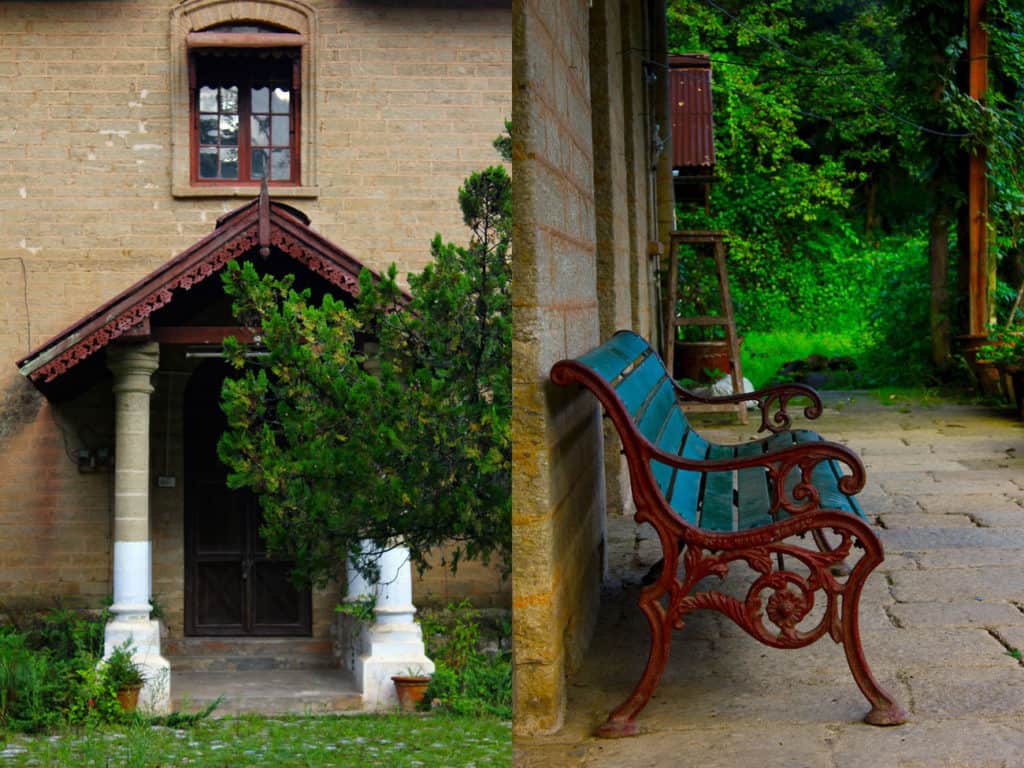
During the British era, Ranikhet was one of the favorite destinations of then rulers. The Ranikhet was established as the military headquarters of the Kumaon Regiment due to two reasons. One, it’s strategic geographic location, and second, the station could be used as a retreat from the Indian summer by the British officials. And that explains illustrations of gorgeous architecture all over the town, influenced by the British taste of design. These grand bungalows across the Mall Road are now the only reminiscence of British rule in this part of the country. But the Kumaon Regiment has also played a crucial role in maintaining the natural sanctity of this hill station. And the Kumaon Regiment is the only reason why the town is still holding to its past grandeur, while the others are turning into a concrete circus.
The Ranikhet and the Kumaon Regiment has a history from the days of World War I and II. Over the period of time, it is impossible to discuss the one without the mention of the later. While in Ranikhet , take a short car ride or a guided walking tour around the military establishments in the mall road. This will surely give you a better understanding about the glorious past association of Ranikhet and the various regiments that were stationed at this hill station. And each one of them has left behind the traces of their presence in the town in a fascinating way.
I reciprocate my mother’s love for Ranikhet . And that is the reason we visit Ranikhet every now and then to breath in the fresh air, catch some quiet time and relive those childhood memories. The place is very cold in winters and moderate in summers, so the best time to visit would be March to October. But if you are a winter travel enthusiast then you must visit the place from December to February. I have visited Ranikhet during the Monsoon season as well and according to me, the place is at it’s natural best during the season.There is an earthy aroma hanging in the air. The flora is at it’s greenest peak. But at times driving during the Monsoon is not safe in the Kumaon hillside due to heavy rainfall and unexpected landslides. So I would not recommend monsoon season to visit the place for the first timers.
So apart from admiring the landscape what one can do in Ranikhet? There is a long list of places and tourist spots that one can visit in Ranikhet.
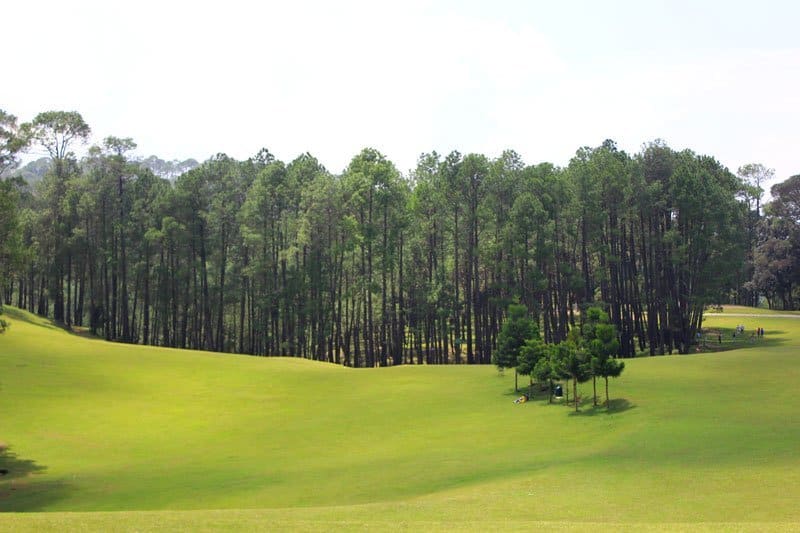
Golf Ground (Golf Course): If you want to see the sprawling most beautiful natural golf course then you must visit Ranikhet. This Golf Course is surrounded by dense forest, making it a perfect picnic spot. During childhood, we have spent so many evenings in the golf course chatting, playing and running around until the sunset. Nowadays, I like to sit in one of the corners and enjoy reading or gawking at the scenery.
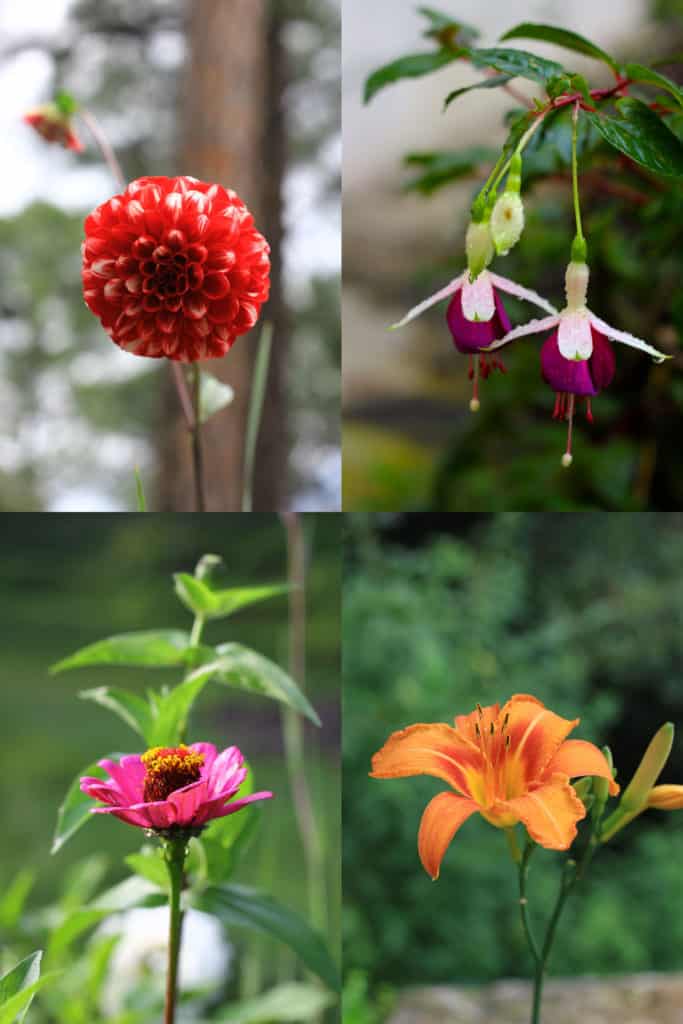
Chaubatia Garden: The place used to be renowned for its Apple orchards. I have seen it at it’s glorious best, gone are those days. Now it is more like a sleeping beauty garden – mostly neglected and non-maintained. But you can still visit the place to buy yourself amazingly fresh juices, artisan honey and to know a bit about the local flora.
Jhula Devi Temple: It is situated at a distance of 7kilometerss from the town of Ranikhet near Chaubatia Garden. We always prefer driving down to the place rather walking. If you are in a mood for a long walk, go ahead. The temple has many folk tales around it. Since childhood, we visit it regularly and offer our prayers whenever in town. It is nothing fancy or magnificent but definitely a place that brings you close to that one supreme power.
KRC (Kumaon Regimental Centre) Museum : This museum was established in the 1970s. It displays valuable treasures from the previous battles and of historic importance. You can also find stories of first and second Param Veer Chakra awardees who belonged to Kumaon Regiment.
Binsar Mahadev Temple: This temple of Lord Shiva was built around 9-10 century AD. It is believed that this temple was built in a single day. With idols of Ganesh, Har Gauri and Maheshmardini in its sanctum, the temple is known for its architectural finesse. The idols are engraved with texts in Nagarilipi which dates back to as early as 9 th century AD. Pack yourself a picnic meal, sit in between the deodar forest and enjoy a wonderful lunch. You can plan a hike or jungle trail en route to Binsar Mahadev.
Haidakhan Temple: This is a temple devoted to Lord Shiva. It was constructed by Shri Haidakhan Maharaj who is said to be the incarnation of Lord Shiva. One can get an enchanting view of the giant Himalayan peaks including Nanda Devi, Pancha Chooli and Trishul Parbat from the vicinity of this temple. It is one of the best places to meditate and focus on your inner synergy. A lot of reputed Bollywood families are the regular visitors of this temple.
…apart from this, there is one more thing you can do in Ranikhet.
Take a walking tour of the Mall Road. This is one area of the town where time has stood still. To arrive here is to step back a century in time. There is no concrete encroachment, insane traffic or deafening noise pollution – it is all calmly beautiful at Mall Road. I can keep walking and walking on this road till I feel lost. This part of Ranikhet is like it has come alive from the Rudyard Kipling’s writing. It can inspire any novice writer like me, to turn into a poet and write words in praises of its unmatched beauty. Leisure walking is the best way to explore the Mall Road, to marvel at the hidden gems of British architecture, to feel the pure air and to be this close to the natural habitat.
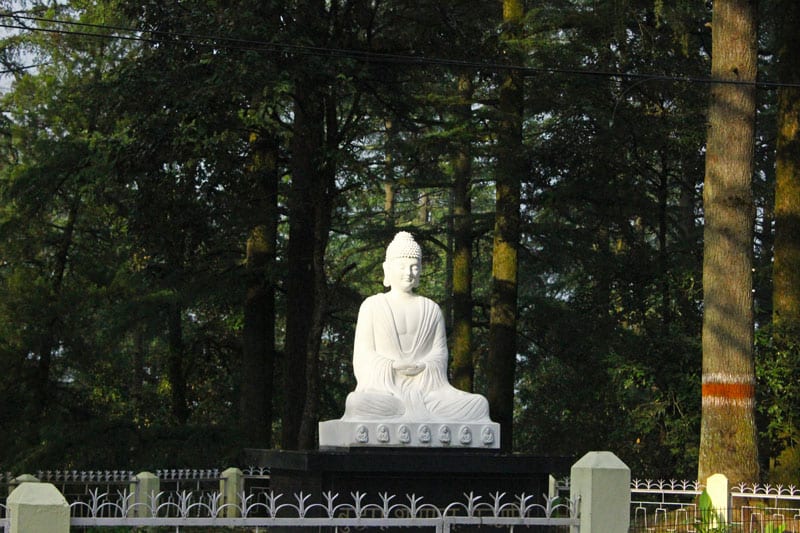
The places of historical importance and tourist attraction at Mall Road are off the main road tucked in between the dense enclosure of trees. At Mall Road, even during the daytime, the sun rays could hardly penetrate through the web of tall, concentrated deodar trees. These places remain moist, untouched, standing quietly in the dark without boasting about their glorious past or personality. Like this famous statue of Lord Buddha in the middle of the Mall Road is so beautifully placed as if in real the lord is mediating under the trees. Or this old, monumental church at Mall Road, which has a dilapidated road, easy to overlook at the first glance. I have explored most of the places in Ranikhet while aimlessly walking around the town with a curiosity to know more about it.
It is a bit overwhelming wonder that things really can be as beautiful as you always imagined. The Kumaoni in me never wants to leave from these breezy places, where the life has its own sweet pace. All I dream of is being back in the Ranikhet, with my husband, cooking good food and leading a retired life. That is the reason we always choose to book a hotel at Mall Road, to spend some retreated time. But one must visit the town market to catch the glimpse of everyday life and devour some local sweet meats.There are certain confectionary shops near KMO Bus Stand that are into the business from the time of my great grandfather. These local sweet shops are now more like a family legacy passed on from one generation to another.
When it comes to food, Ranikhet never overwhelmed my taste buds. If you get hold of home cooked food from an old friend or relative than that is your best option. Or if you can dine at army mess. The rest of the restaurants serve averagely tasting food and lack fine dine experience. So to be on the safe side we always stick to simple, popular dishes in the restaurant menu. Often we end up eating at the hotel only and getting our dishes customized, which the hotel staff happily does.
Other useful clues:
Ranikhet is situated at a distance of 350kms from Delhi. The nearest airport is in Delhi, Dehradun, and Pantnagar. The nearest railway station is Kathgodam (68 km from Ranikhet). Buses and private taxis ply from these place for Ranikhet regularly. The nearest hill stations are Almora (50 km) and Nainital (60 km).
Best Time to Visit Ranikhet is anytime before the winters. The winters are harsh and the place is quite deserted. It might snow as well.
Book in advance your stay. Being a secluded town the hotel staff requires time to prepare the room and menu for the guests’ arrival. The best hotels in Ranikhet from our experience are Westview, Chevron Rosemount, and the KMVN Guest House. KMVN is a government tourist guest house situated at mall road which can be recommended for a comfortable stay in Ranikhet. This guesthouse provides a serene view and has decent rooms. And it is super budget friendly as well. But try picking a hotel at mall road to avoid the chaos of the central town and enjoy the beautiful landscape.
Ranikhet is located at a high altitude and surrounded by dense forest. Nights are cold with the temperature. Wearing clothes in layers is the smart way to cope with fluctuating day/night temperature. Must pack a pair of sweatshirt or jacket to keep you warm. You get to do a lot of walking in the wild surroundings. So pack your most comfortable footwear for the trip.
We follow a strict NO SPAM Policy
