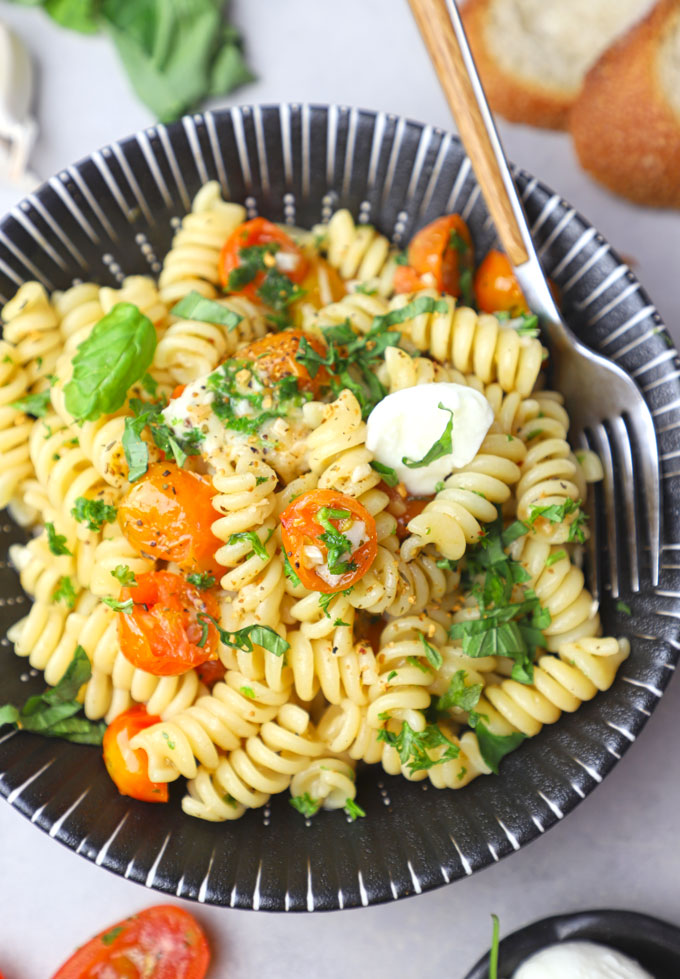
Inspired by the classic Caprese salad, which combines tomatoes, mozzarella, basil, and olive oil, this fusilli pasta caprese is a satisfying and delightful meal.
- What is Caprese?
- Ingredients Required
- How To Make Caprese Pasta
- Serving Suggestion
- My Tried and True Tips
- More Pasta Recipes
- Fusilli Pasta Caprese Recipe
What is Caprese?
Caprese is a simple Italian salad. It has fresh tomatoes, soft cheese, aromatic basil and the best quality olive oil. It is a celebration of the local Italian ingredients. The Caprese salad originated in Capri Island and represents all the beautiful colours of an Italian flag.
Pasta Caprese is a quintessential pasta dish that captures the essence of Mediterranean cuisine with its fresh and vibrant flavours. With just a handful of ingredients, you can whip up a flavorful and satisfying vegetarian meal that is sure to impress your family and friends.
Ingredients Required
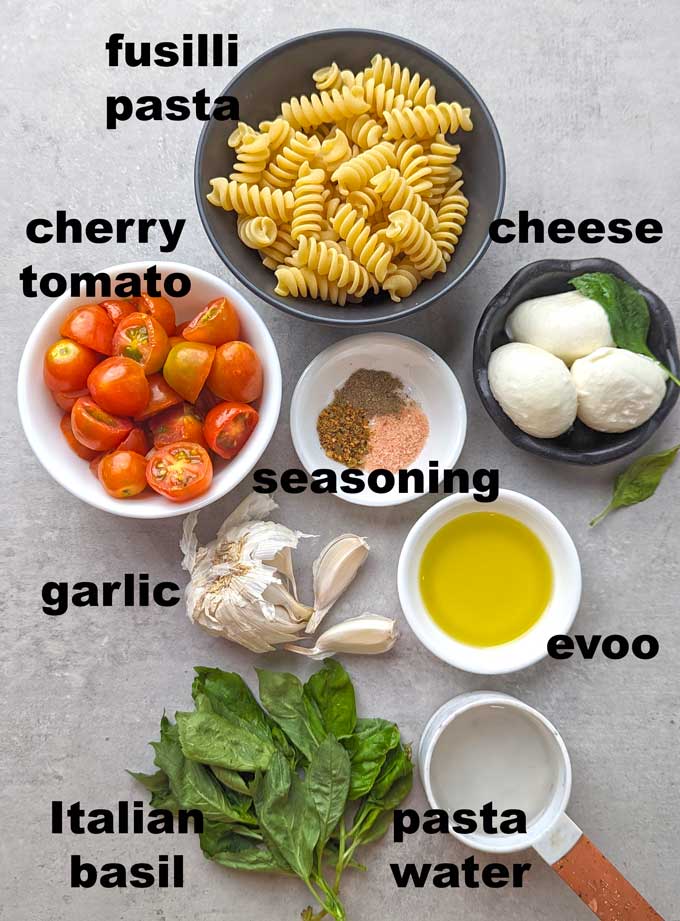
Note: Since Pasta Caprese relies on fresh, high-quality ingredients, make sure your tomatoes, mozzarella, and basil are ripe and flavorful for the best results.
- Pasta: From penne, fusilli, and spaghetti, to angel hair, you can pick either of them for this pasta recipe.
- Tomato: Pick ripe, juicy, red tomatoes like a vine, cherry, Roma tomatoes, or a variety of heirloom tomatoes.
- Fresh Mozzarella is the soul of the Caprese pasta recipe.
- Extra Virgin Olive Oil brings together the essence of tomato juices and the sharpness of garlic.
- Boiled Pasta Water helps in glazing the pan and creating a silky sauce.
- Italian Basil adds the much-required aroma and freshness to the pasta caprese.
- Garlic, Salt, Pepper , Italian Herbs
How To Make Caprese Pasta
Cook the Pasta:
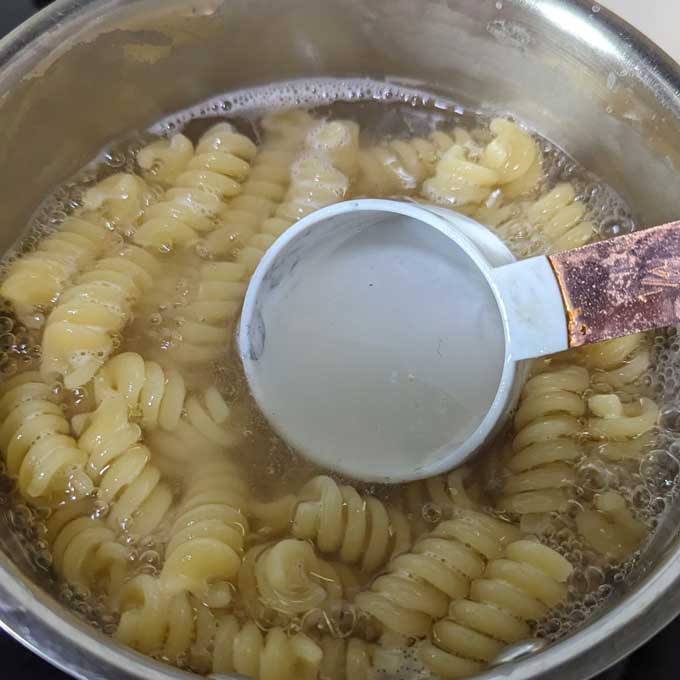
- Begin by bringing a large pot of salted water to a boil. Add the fusilli pasta and cook according to the package instructions until al dente.
- Drain cooked pasta in a colander. Collect ¼ cup of boiled pasta water in a bowl. Set aside to use later.
Make the Sauce:
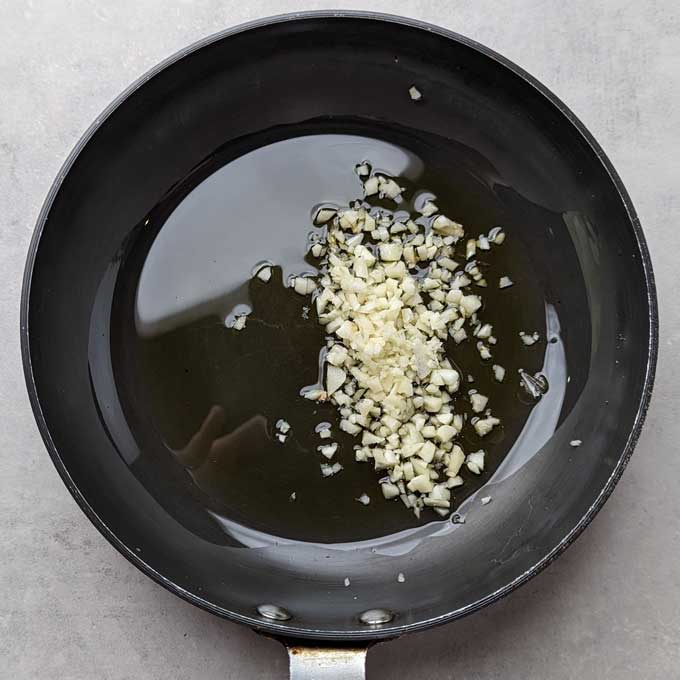
- In a large skillet, heat the olive oil over medium heat. Add the minced garlic and sauté for about a minute until fragrant, being careful not to brown it.
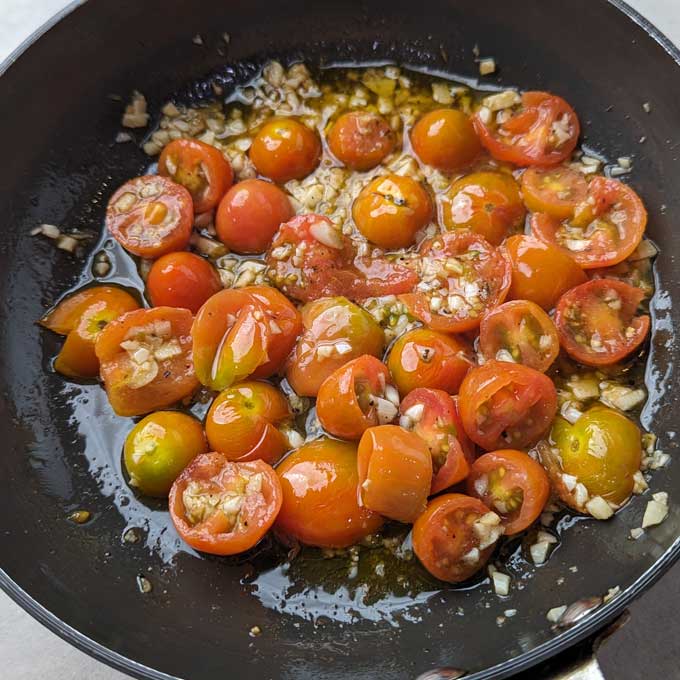
- Add cherry tomatoes, season them with salt, and allow them to release their juices. Cook for 2-3 minutes, stirring occasionally, until the tomatoes begin to soften and release their juices.
- Glaze the pan with boiled pasta water. Allow to simmer for 2 minutes.
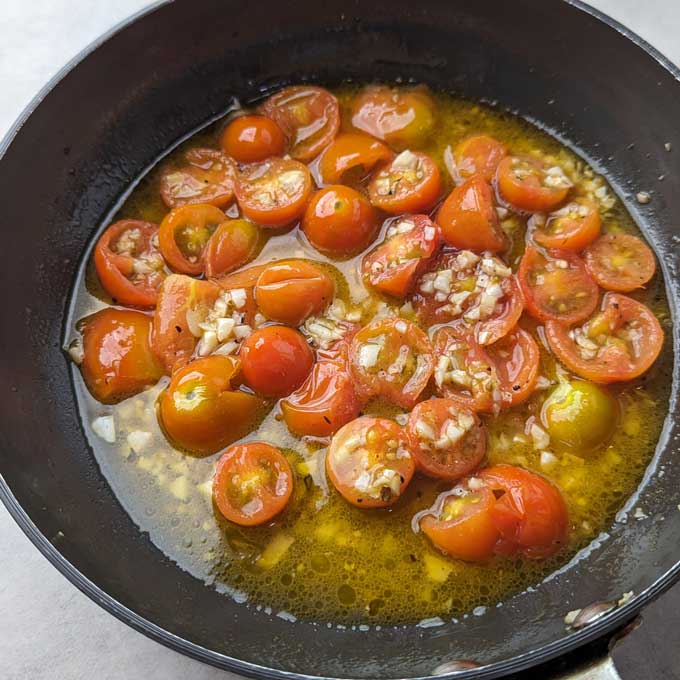
Add Pasta and Mozzarella:
- Add the cooked pasta to the skillet using a slotted spoon or tongs.
- Add the fresh mozzarella pieces to the skillet as well.
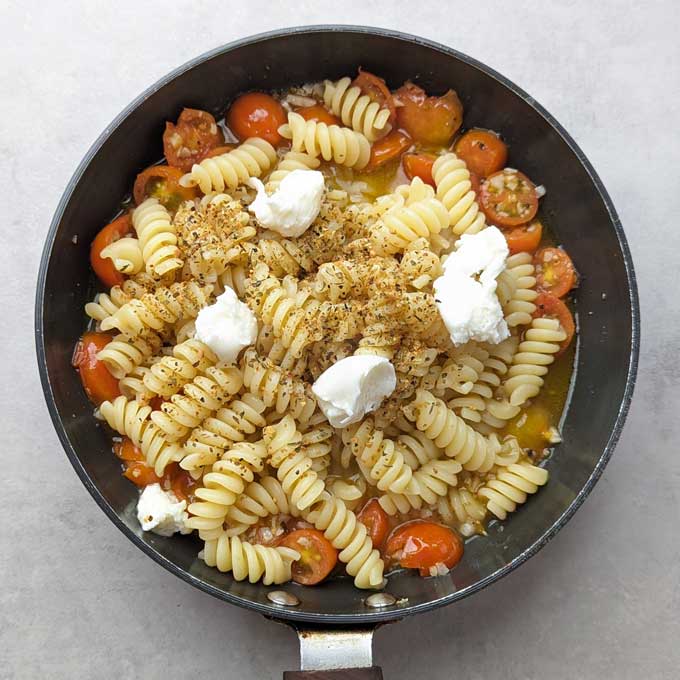
Toss and Season:
- Gently toss the pasta, tomatoes, and mozzarella together until well combined. Allow the mozzarella to melt slightly from the heat of the pasta. Season the dish with freshly ground black pepper to taste.
- Add the torn basil leaves to the pasta. Gently toss to incorporate the basil throughout the dish, allowing its aroma to infuse into the pasta.
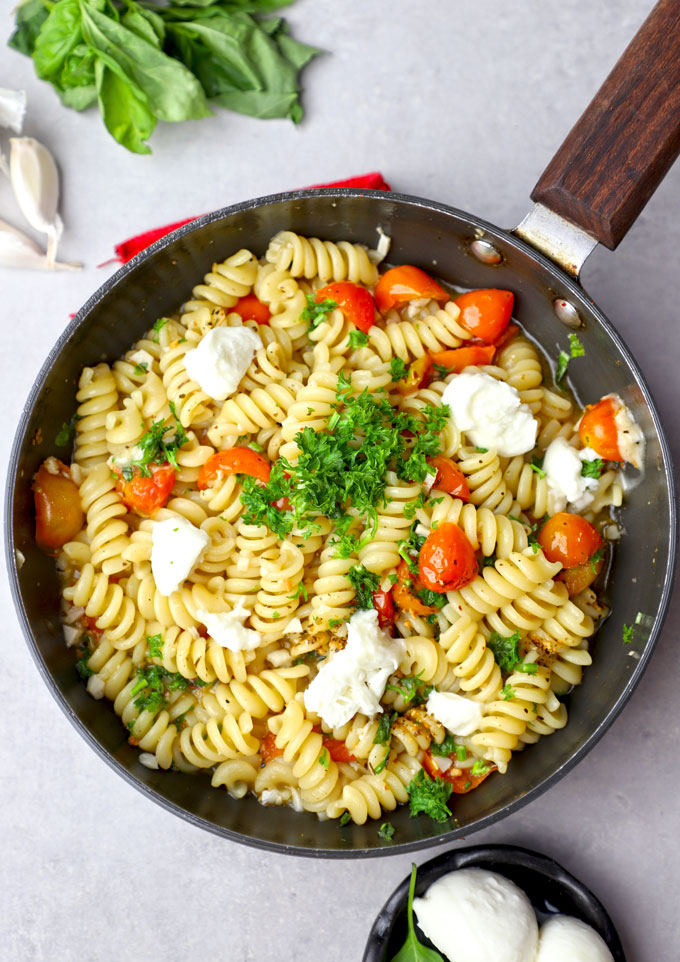
Serving Suggestion
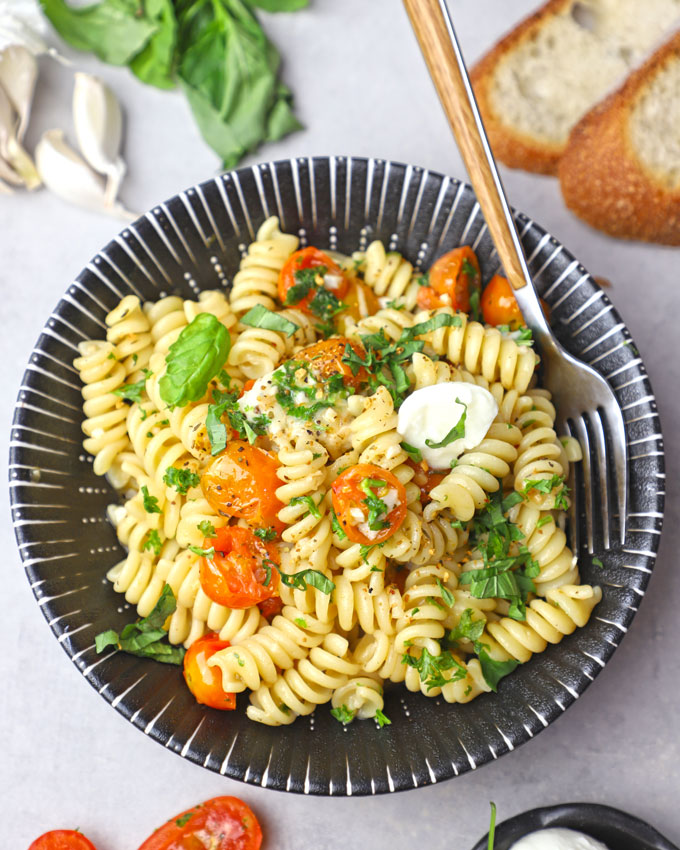
Serve the Pasta Caprese immediately while it’s still warm and fresh. I love to mop that garlicky tomato sauce with toasted artisanal bread slices.
Whether you’re cooking for a weeknight dinner or light summer lunch , this fusilli pasta caprese recipe is sure to be a hit.
Garnish with additional fresh basil leaves or a sprinkle of grated Parmesan cheese if desired. This dish pairs beautifully with a crisp white wine or refreshing sparkling water with a slice of lemon.
My Tried and True Tips
- This pasta caprese recipe is all about celebrating fresh ingredients. Try to use the best quality ingredients, especially olive oil, tomato, and mozzarella.
- Customize Your Pasta: Feel free to customize this pasta recipe to your liking. You can add cooked chicken, shrimp, or even roasted vegetables.
- Make it Vegan: To make this dish vegan-friendly, simply omit the mozzarella or substitute it with a plant-based cheese alternative.
- Leftovers: Pasta Caprese is delicious both freshly made and as leftovers. Store any leftovers in an airtight container in the refrigerator for up to three days. Reheat gently on the stove or in the microwave before serving.
More Pasta Recipes
- Basil Pesto Pasta
- Summer Pasta Salad
- Vegetable Pasta Soup
- Spaghetti with Shrimps
- Greek Orzo Pasta Salad
- Creamy Pumpkin Sauce Pasta
- Instant Pot Chicken Broccoli Pasta

Ingredients
- ▢ 200 gram fusilli pasta, uncooked
- ▢ 150 gram cherry tomato cut into halves
- ▢ 8 large size garlic cloves, minced
- ▢ 1 teaspoon dried Italian herb mix
- ▢ ½ teaspoon cooking salt or to taste
- ▢ crushed black pepper to taste
- ▢ ¼ Cup boiled pasta water
- ▢ 4 – 5 fresh mozzarella slices
- ▢ handful of Italian basil
Instructions
- Begin by bringing a large pot of salted water to a boil. Once the water starts boiling, add the fusilli pasta and cook according to the package instructions until al dente.
- Drain cooked pasta in a colander. Collect ¼ cup of boiled pasta water in a bowl. Set aside to use later.
- In a large skillet, heat the olive oil over medium heat. Add the minced garlic and sauté for about a minute until fragrant, being careful not to brown it.
- Add cherry tomatoes, season them with salt, and allow them to release their juices. Cook for 2-3 minutes, stirring occasionally, until the tomatoes begin to soften and release their juices.
- Glaze the pan with boiled pasta water. Allow to simmer for 2 minutes.
- Add the cooked pasta to the skillet using a slotted spoon or tongs.
- Add the fresh mozzarella pieces to the skillet as well.
- Gently toss the pasta, tomatoes, and mozzarella together until well combined. Allow the mozzarella to melt slightly from the heat of the pasta. Season the dish with freshly ground black pepper to taste.
- Add the torn basil leaves to the pasta. Gently toss to incorporate the basil throughout the dish, allowing its aroma to infuse into the pasta.
- Serve the Pasta Caprese immediately while it’s still warm and fresh.
Recipe Notes:
- From penne, fusilli, and spaghetti, to angel hair, you can pick either of them for this pasta recipe.
- Pick ripe, juicy, red tomatoes like a vine, cherry, Roma tomatoes, or a variety of heirloom tomatoes.
Nutrition
We follow a strict NO SPAM Policy

Fusilli Pasta Caprese Recipe
Equipment
- Saucepan
- Frying Pan
Ingredients
- 200 gram fusilli pasta, uncooked
- 150 gram cherry tomato cut into halves
- 8 large size garlic cloves, minced
- 1 teaspoon dried Italian herb mix
- ½ teaspoon cooking salt or to taste
- crushed black pepper to taste
- ¼ Cup boiled pasta water
- 4 - 5 fresh mozzarella slices
- handful of Italian basil
Instructions
- Begin by bringing a large pot of salted water to a boil. Once the water starts boiling, add the fusilli pasta and cook according to the package instructions until al dente.
- Drain cooked pasta in a colander. Collect ¼ cup of boiled pasta water in a bowl. Set aside to use later.
- In a large skillet, heat the olive oil over medium heat. Add the minced garlic and sauté for about a minute until fragrant, being careful not to brown it.
- Add cherry tomatoes, season them with salt, and allow them to release their juices. Cook for 2-3 minutes, stirring occasionally, until the tomatoes begin to soften and release their juices.
- Glaze the pan with boiled pasta water. Allow to simmer for 2 minutes.
- Add the cooked pasta to the skillet using a slotted spoon or tongs.
- Add the fresh mozzarella pieces to the skillet as well.
- Gently toss the pasta, tomatoes, and mozzarella together until well combined. Allow the mozzarella to melt slightly from the heat of the pasta. Season the dish with freshly ground black pepper to taste.
- Add the torn basil leaves to the pasta. Gently toss to incorporate the basil throughout the dish, allowing its aroma to infuse into the pasta.
- Serve the Pasta Caprese immediately while it’s still warm and fresh.
Notes
- From penne, fusilli, and spaghetti, to angel hair, you can pick either of them for this pasta recipe.
- Pick ripe, juicy, red tomatoes like a vine, cherry, Roma tomatoes, or a variety of heirloom tomatoes.
Nutrition
Gobi Paratha is a widely popular Indian breakfast. Here is a flavoursome Punjabi-style stuffed paratha recipe with a homemade masala.
- What is Gobi Paratha?
- Anatomy of Gobi Paratha
- Ingredients For Cauliflower Stuffing
- How To Make Paratha Stuffing
- How To Assemble Gobi Paratha
- Serving Suggestion
- My Tried and True Tips
- Storing and Freezing
- More Indian Paratha Recipe
- Gobi Paratha Recipe
What is Gobi Paratha?
Gobi Paratha is a vegan whole wheat flatbread stuffed with cauliflower commonly enjoyed for breakfast, lunch, or dinner in Northern India. This stuffed paratha has transcended regional boundaries to become a staple in households and restaurants.
Gobi is the Hindi term for cauliflower. The word paratha defines the crisp, pan-fried, Indian flatbread.
Anatomy of Gobi Paratha
There are two components in the making of Gobi Ka Paratha:
- Cauliflower (Gobi) Stuffing
- Paratha Dough for the outer layer
The cauliflower is finely grated and combined with homemade paratha masala, salt, green chillies, ginger, and coriander. The cauliflower stuffing for paratha does not require cooking.
Whole wheat flour, water, and a pinch of salt are kneaded together to form a smooth, pliable dough. This dough is then divided into small balls and rolled out into discs, ready to envelop the cauliflower filling.
The cauliflower mixture is generously spooned onto the centre of each dough disc before being sealed and rolled out into a thin, round paratha.
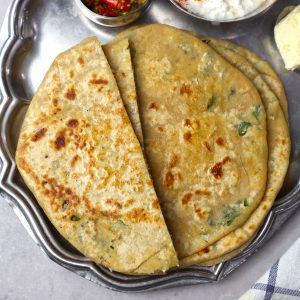
These stuffed flatbreads are cooked on a griddle or tawa, brushed with ghee or oil and cooked until golden brown on both sides.
Ingredients For Cauliflower Stuffing
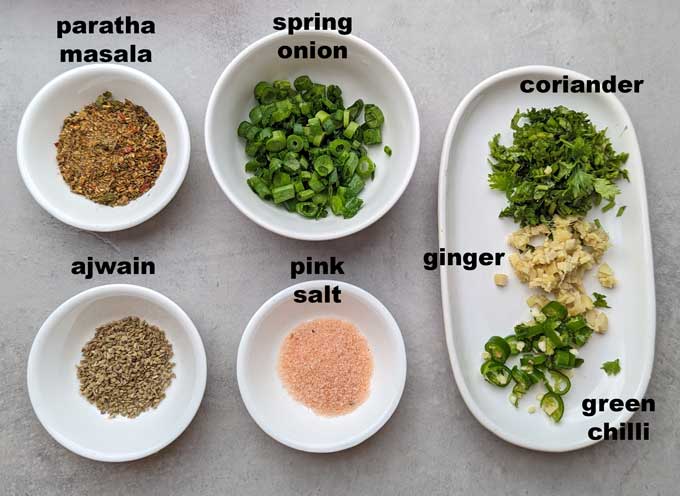
- Cauliflower florets fresh or frozen
- Ajwain (carom seeds) help in digesting the cauliflower.
- Herbs: Green Onion, Coriander, Ginger, Green Chilli
- Seasoning: Salt and Paratha Masala
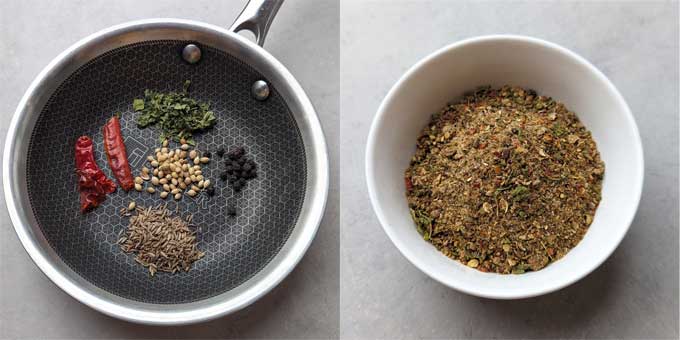
Punjabi Paratha Masala : You can use the readymade paratha masala or follow my recipe to make it from scratch at home.
- Dry roast red chilli, black peppercorns, coriander seeds, cumin seeds, and Kasuri methi until aromatic.
- Grind to a coarse powder. Add this masala to a variety of paratha stuffings for flavour and aroma.
How To Make Paratha Stuffing
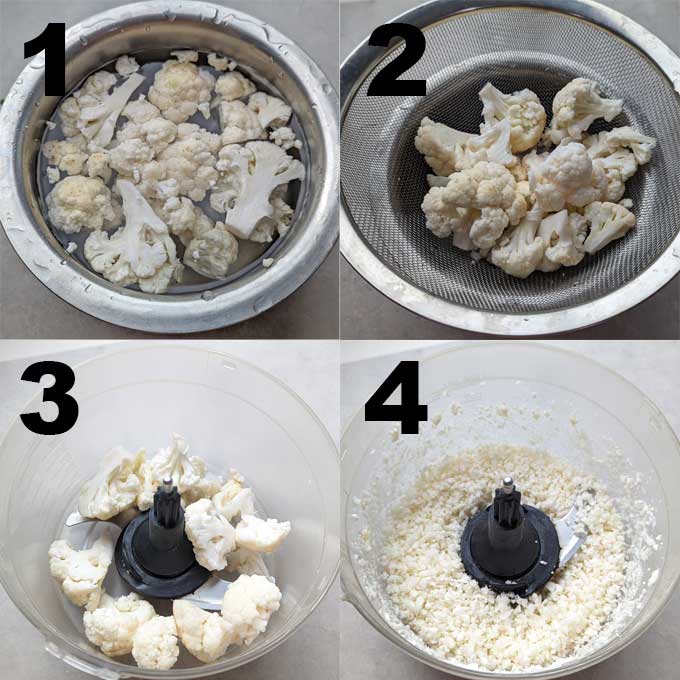
Prepare Cauliflower
- Rinse the cauliflower and pat dry with a clean kitchen towel.
- Grate the cauliflower in a food processor or using a manual grater.
- Transfer grated cauliflower to a bowl.
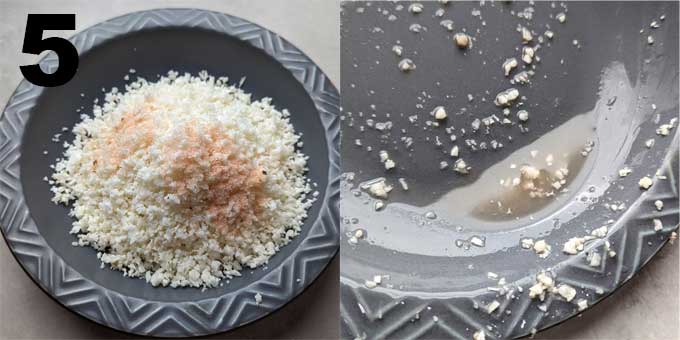
- Combine salt and grated cauliflower.
- Keep it aside covered for 20 minutes.
- After 20 minutes squeeze out all the excess water from cauliflower.
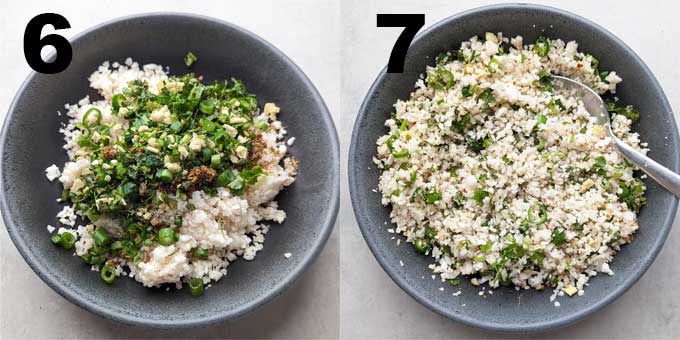
Season Cauliflower
- Add paratha masala, remaining salt, green onion, ginger, chilli, coriander, and ajwain. Mix nicely.
- Gobi Paratha stuffing is ready to use.
How To Assemble Gobi Paratha
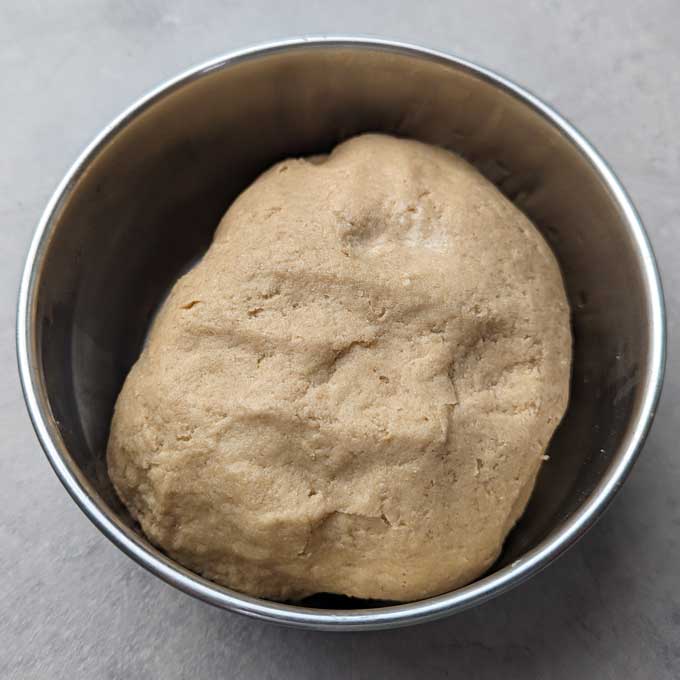
Prepare Dough
- Combine whole wheat flour and a pinch of salt. Use water to form a smooth dough.
- Now knead the dough for the paratha. Knead the dough for 5 – 10 minutes. Cover the dough and set aside.
- The dough for the Gobi Paratha is similar to that for Phulka/Chapati.
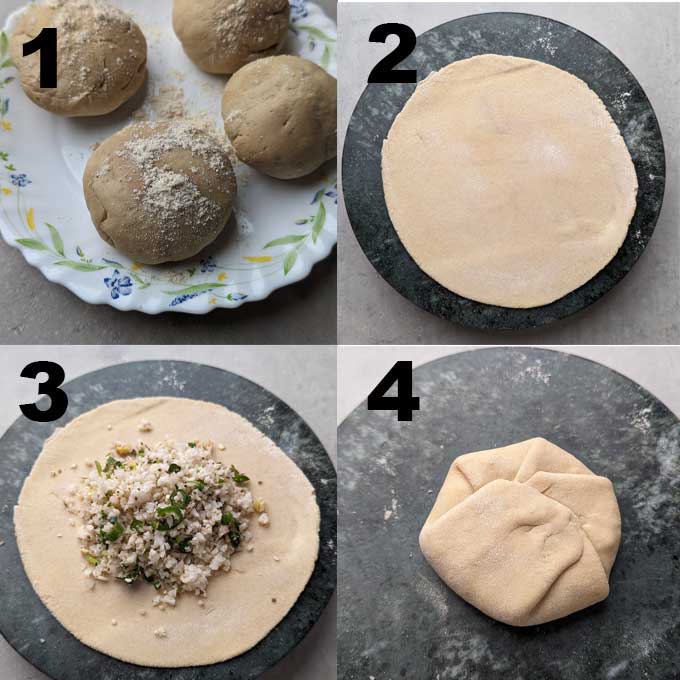
Assemble Paratha
- Take a medium sized ball from the dough.
- Roll out a small disc about 3 inches in diameter from the dough ball.
- Add a big tablespoon of the cauliflower masala to the centre of the rolled-out disc. Be careful not to understuff or overstuff the paratha.
- Bring the edges of the dough, join them and flatten them.
- Now roll the stuffed parathas gently to the size of a chapati or roti.
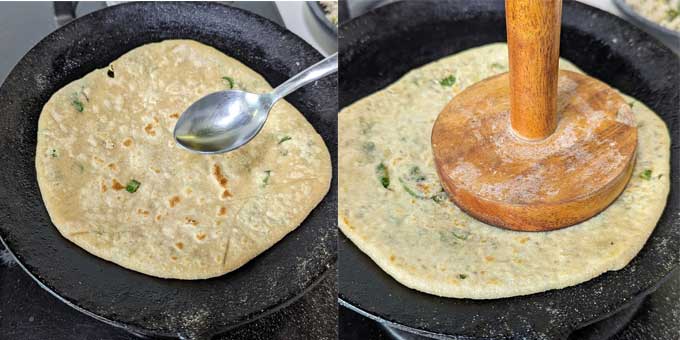
Cook Gobi Paratha
- Cook the gobi paratha on a preheated griddle by smearing a teaspoon of ghee/oil till browned and uniformly roasted on both sides.
- The key lies in achieving the perfect balance of crispiness and even cooking.
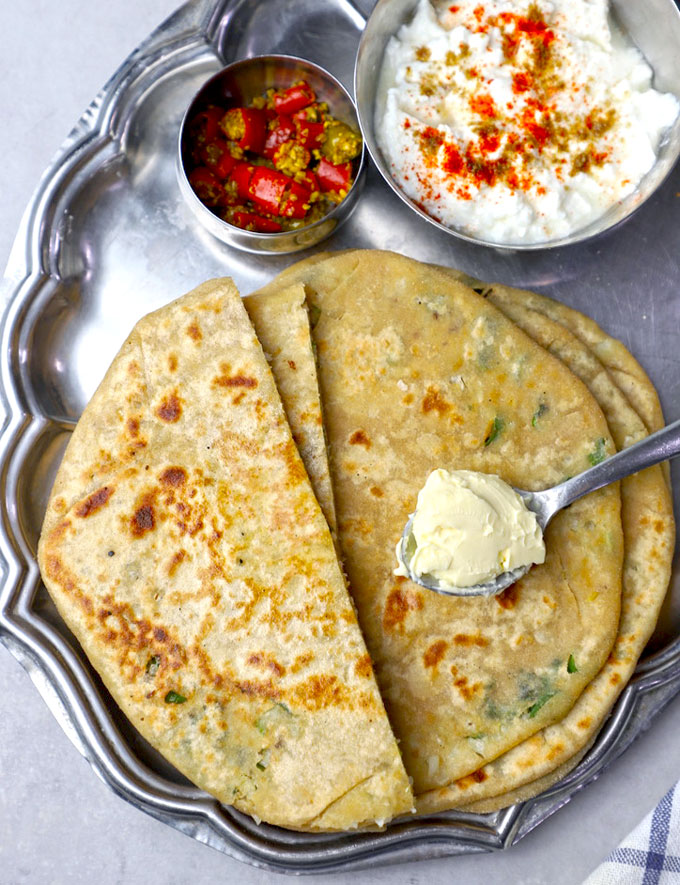
Serving Suggestion
Whether enjoyed as a hearty breakfast , a wholesome lunch, or a comforting dinner, Gobi Paratha never fails to delight with its rustic charm and irresistible taste.
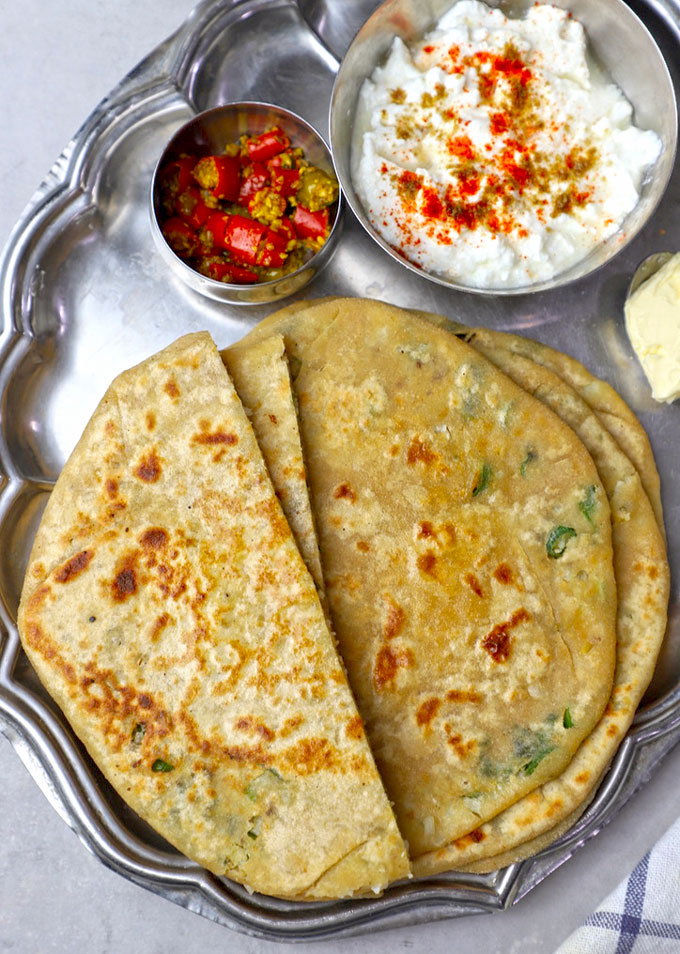
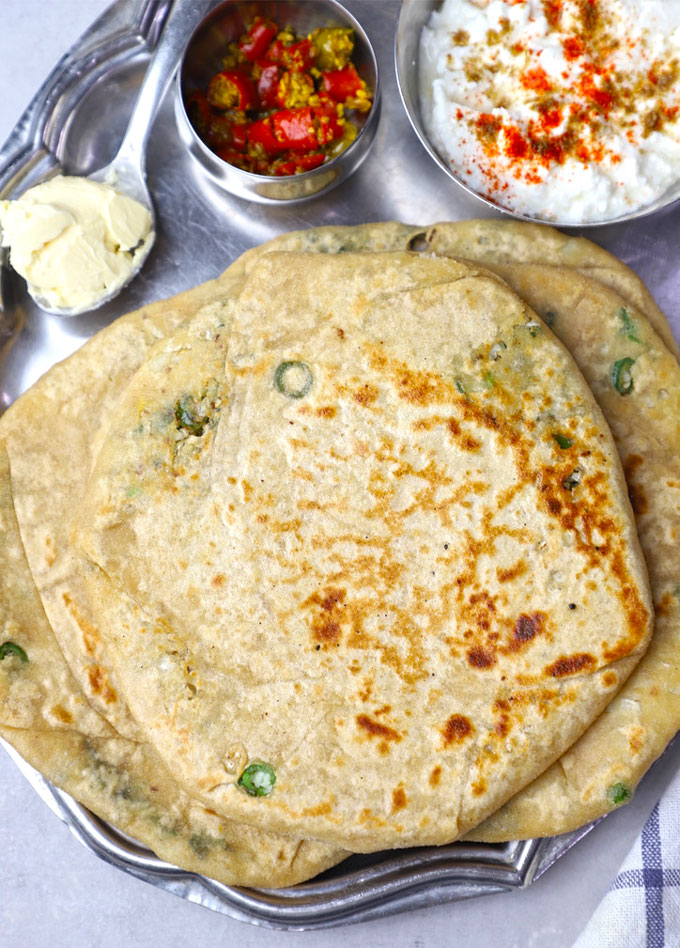
Gobi Paratha is best enjoyed fresh off the tawa, piping hot with a bowl of creamy curd or yoghurt, a spicy Indian pickle , or a dollop of homemade white butter to add layers of taste and texture to each bite of paratha.
For those looking to indulge further, a side of masala chai or a refreshing lassi provides the perfect balance to the richness of the paratha.
My Tried and True Tips
- Squeeze Out Water properly from salted cauliflower otherwise, you will end up with watery stuffing which will stick to the dough while rolling out the paratha.
- Do Not Overstuff. The stuffing will come out from the edges of the paratha and it will become difficult to roll them.
- Roll Out Gently. Do not apply too much pressure while rolling out a stuffed paratha. So when rolling the gobi paratha, try to roll evenly with gentle pressure.
- Preheat Tawa. Ensure your tawa/griddle on which you will be making the paratha is hot before you place the paratha on it. If it’s just medium hot, the paratha might stick to it and also, take time to cook.
- Kneading a soft dough is the key to making the softest paratha.
Storing and Freezing
Leftovers: You can store the leftover cooked paratha in a hot case or an airtight container packed with aluminium foil or butter paper. Reheat on a griddle or microwave.
Freezing: I do not recommend freezing gobi paratha as cauliflower might start spoiling and smelling in the freezer.
Meal-Prep: Another approach is to half-cook the gobi paratha without applying oil and store it for a day or travelling. Heat a pan and cook the paratha on one side long enough to see the colour of the paratha change on top. When that happens, remove the paratha and keep it on the side to cool down. Stack the parathas with wax papers in between each paratha and since these aren’t delicate, you can directly put them in a ziplock bag and store them in the refrigerator.
More Indian Paratha Recipe
- Methi Paratha
- Matar Paratha
- Cheese Paratha
- Leftover Dal Paratha
- Paneer Spring Onion Paratha
Ingredients
Ingredients For Paratha Stuffing
- ▢ 1 small size cauliflower
- ▢ 1 inch piece of ginger, finely chopped amchur
- ▢ 1 green chilli, finely chopped
- ▢ Handful coriander leaves, finely chopped
- ▢ 4 sprigs spring onion greens, finely chopped
- ▢ 1 ¼ teaspoon cooking salt or to taste
- ▢ 1 teaspoon paratha masala (see Note 1)
- ▢ ½ teaspoon carom seeds (ajwain)
Ingredients for the dough
- ▢ 2 Cup whole wheat flour
- ▢ Water to knead the dough
- ▢ ¼ teaspoon salt or to taste
- ▢ Oil to cook the paratha (see Note 2)
Instructions
Prepare Dough
- Combine whole wheat flour and a pinch of salt. Use water to form a smooth dough. Now knead the dough for the paratha. Knead the dough for 5 – 10 minutes. Cover the dough and set aside to rest.
- The dough for the Gobi Paratha is similar to that for Phulka/Chapati.
Prepare Paratha Stuffing
- Rinse the cauliflower and pat dry with a clean kitchen towel. Grate the cauliflower in a food processor or using a manual grater.
- Combine 1 teaspoon of salt and grated cauliflower. Keep it aside covered for 20 minutes. After 20 minutes squeeze out all the excess water from cauliflower.
- Add paratha masala, remaining salt, green onion, ginger, chilli, coriander, and ajwain. Mix nicely. Gobi Paratha stuffing is ready to use.
Prepare Gobi Paratha
- To make the Gobi Paratha, heat a griddle or tawa over medium heat.
- Take a medium size ball from the dough. Roll out a small disc about 3 inches in diameter from the dough ball.
- Add a big tablespoon of the cauliflower masala to the centre of the rolled-out disc. Be careful not to understuff or overstuff the paratha.
- Bring the edges of the dough, join them and flatten them. Now roll the stuffed parathas gently to the size of a chapati or roti.
- Cook the gobi paratha on a preheated griddle by smearing a teaspoon of ghee/oil till browned and uniformly roasted on both sides.
- Serve Gobi Paratha warm with curd, pickle and white butter.
Recipe Notes:
- Dry roast red chilli, black peppercorns, coriander seeds, cumin seeds, and Kasuri methi until aromatic.
- Grind to a coarse powder. Add this masala to a variety of paratha stuffings for flavour and aroma.
Nutrition
We follow a strict NO SPAM Policy
