Get organized with our weekly dinner meal plan featuring 5 easy, healthy, and tasty recipes for the family. Start your week right with homemade wholesome meals.

A weekly dinner meal plan has several benefits, including making life easier, healthier, and often more affordable.
Here are some key reasons why you might want to consider planning meals each week:
- Saves Time : Meal planning helps you avoid the daily “What should I make Tonight?” dilemma.
- Reduces Food Waste : When you plan, you can buy just what you need for each meal. This prevents extra food from going bad in the fridge.
- Save Money : Having a list of dinner recipes and a grocery allows you to be more mindful at the grocery store and avoid impulsive buying.
- Keeps You Healthy : Eating home-cooked, wholesome meals helps you control calorie intake and portion sizes and avoid pre-packaged or frozen food.
THIS WEEK’S Dinner MEAL PLAN #07
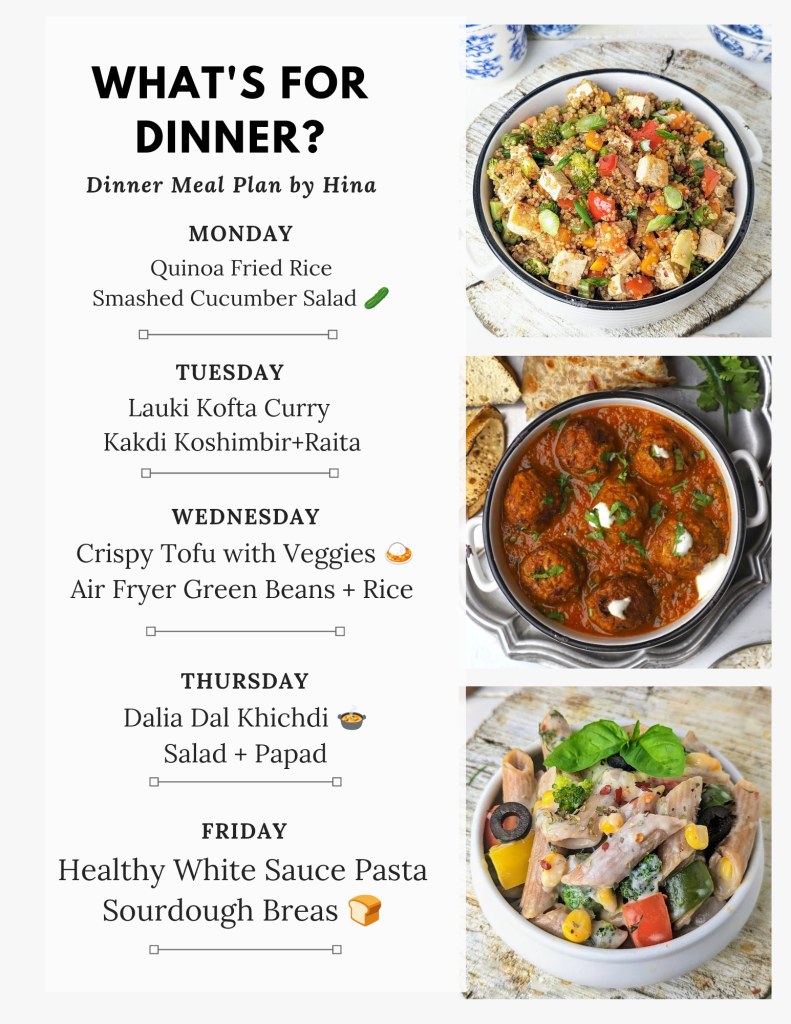
Here’s a week-long dinner meal plan that includes nutritious, tasty, and balanced meals, with an emphasis on healthy recipes :
- Monday: Quinoa Fried Rice + Smashed Cucumber Salad
- Tuesday: Lauki Kofta Curry + Kakdi Koshimbir + Raita + Ragi Roti
- Wednesday: Crispy Tofu with Veggies + Air Fryer Green Beans + Rice
- Thursday: Dalia Khichdi + Kachumber Salad + Papad
- Friday: Healthy White Sauce Pasta + Sourdough Bread
- Bonus Soup Recipe : Corn Avocado Salad
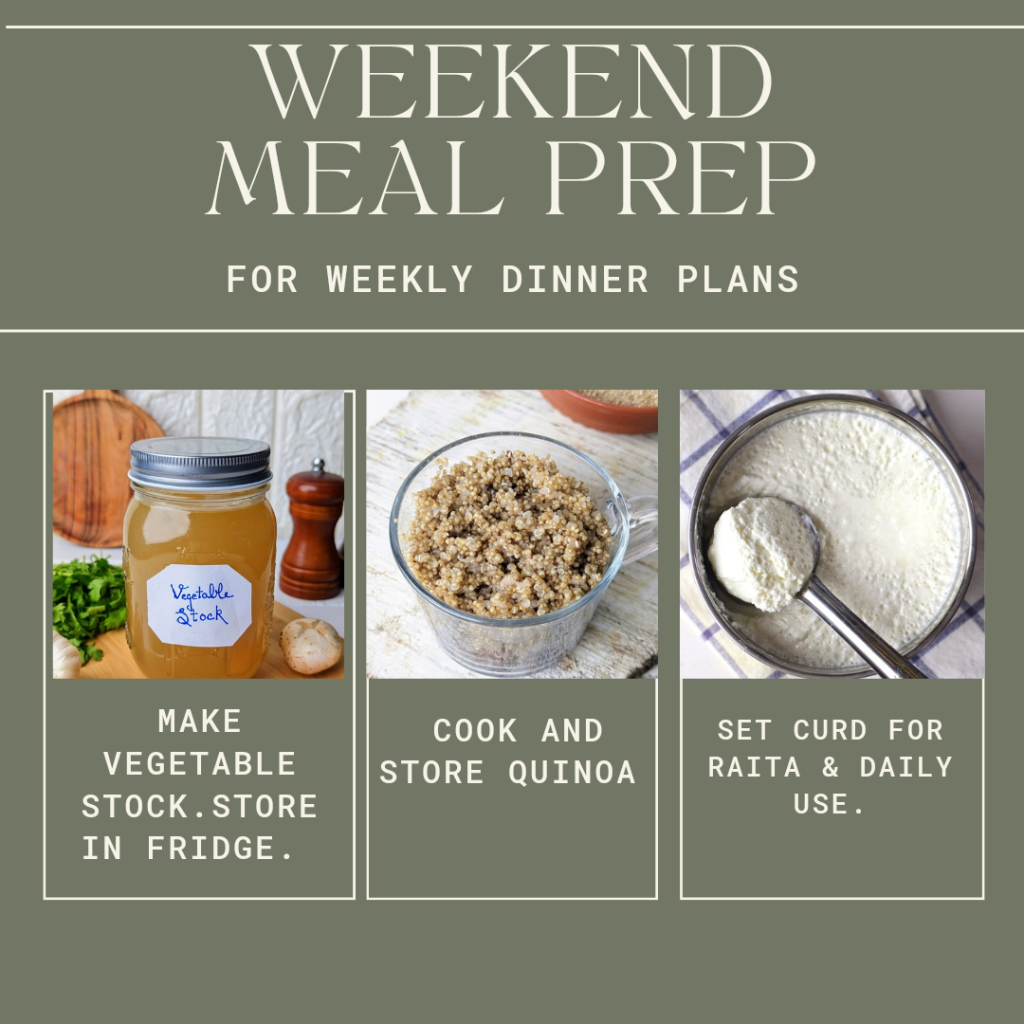
Helpful Meal Prep:
- Prepare vegetable stock for soups and store it for a week.
- Make mint chutney and store it in the refrigerator.
- Cook quinoa and store it in the refrigerator.
- Set curd for raita and daily use.
GRAB THE GROCERY LIST
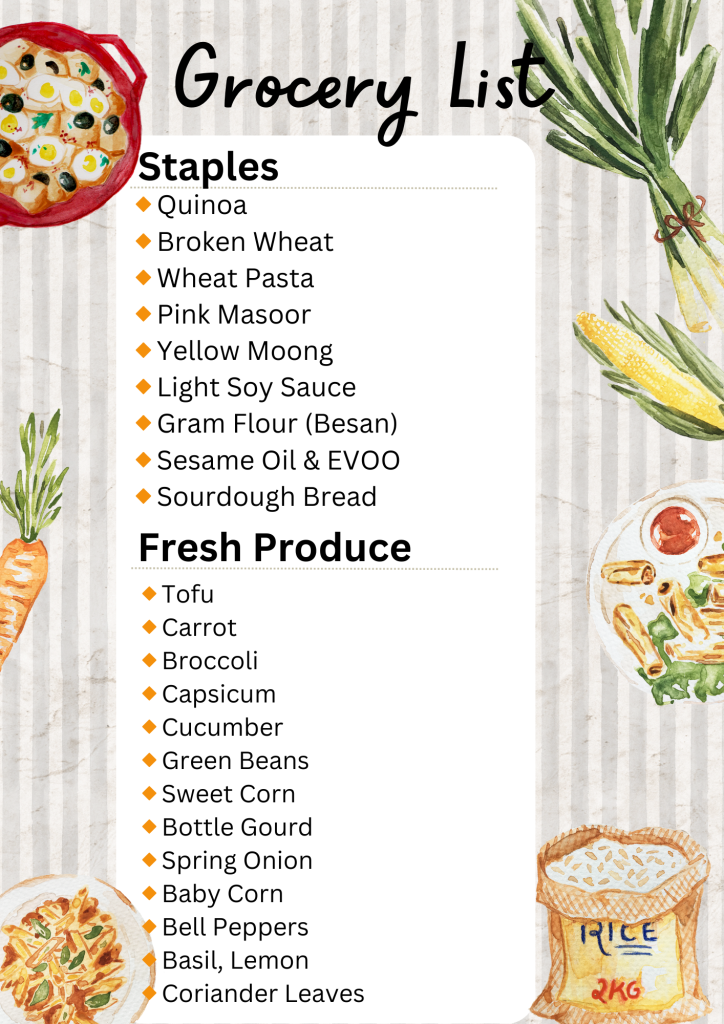
Tips For Meal Planning
- Taking printouts of dinner menu and grocery lists always helps. Or update a reusable meal planner manually.
- Stick the meal plan on the most visible corner of the kitchen like the refrigerator or cabinet door.
- Sort the dinner recipes first and then jump-start on the grocery list.
- Substitute protein like paneer/tofu/chicken as per personal preference.
- If you are planning to include more side dishes, don’t forget to make them part of the grocery list.
We follow a strict NO SPAM Policy
If you are looking for a healthy breakfast try this millet pongal recipe, to satisfy your taste buds and nutritional needs.
Estimated reading time: 5 minutes
- What is Ven Pongal?
- Ingredients You’ll Need
- How To Make Millet Pongal
- My Tried and True Tips
- Millet Pongal Recipe
What is Ven Pongal?
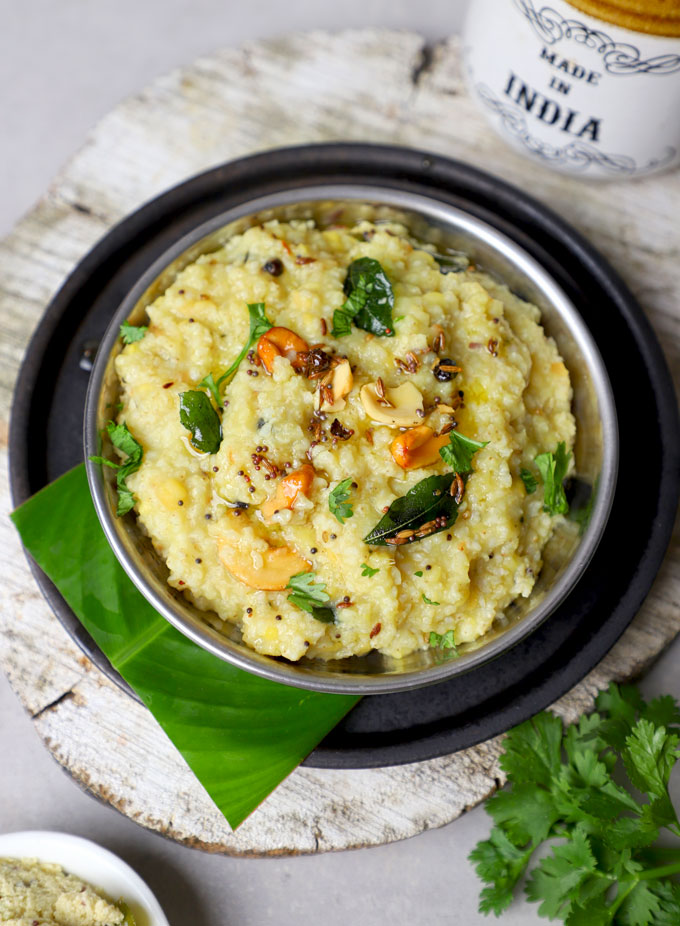
Ven Pongal, a popular South Indian dish typically served for breakfast, is a comfort food made with rice and moong dal (yellow lentils). It is savoury, spiced, and often served with coconut chutney or sambar.
However, as more people turn towards low-carb alternatives, the traditional pongal recipe gets a healthier makeover with barnyard millet. By substituting rice with barnyard millet, you can make pongal not only healthier but also packed with all the good nutrients.
- Low Glycemic Index : Unlike rice, which has a high glycemic index, barnyard millet has a low GI, making it suitable for regulating blood sugar levels.
- Rich in Fiber : Barnyard millet is an excellent source of dietary fibre, which helps improve digestion, prevents constipation, and aids in maintaining a healthy weight.
- High in Protein : Barnyard millet is a good source of plant-based protein, making it an ideal choice for vegetarians and vegans.
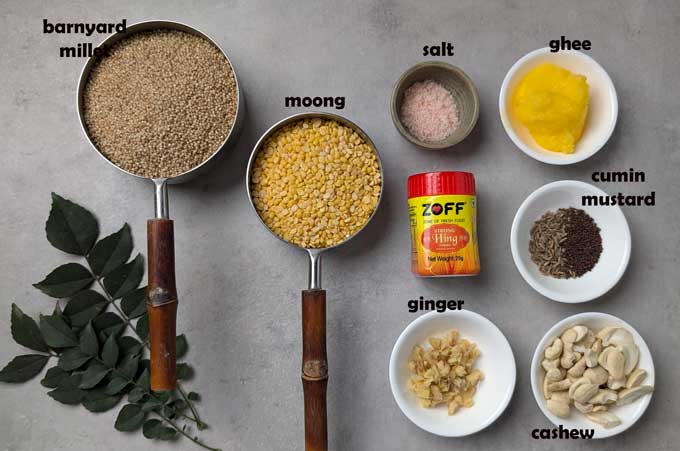
Ingredients You’ll Need
- Barnyard Millet also known as sama ke chawal. It is a small, nutrient-dense grain that belongs to the millet family.
- Yellow Moong (split yellow lentils)
- Fresh Ginger finely chopped to flavour the pongal.
- Hing (asafoetida) adds a delicious aroma and helps in digestion.
- Whole Black Peppercorns instead of powder are the highlight of pongal.
- Ghee to prepare the tadka. Vegans can use coconut or peanut oil.
- Cumin Seeds and Black Mustard Seeds for tempering and crunch.
- Cashew Nuts or peanuts for protein and nuttiness.
- Curry Leaves and Fresh Coriander Leaves.
How To Make Millet Pongal
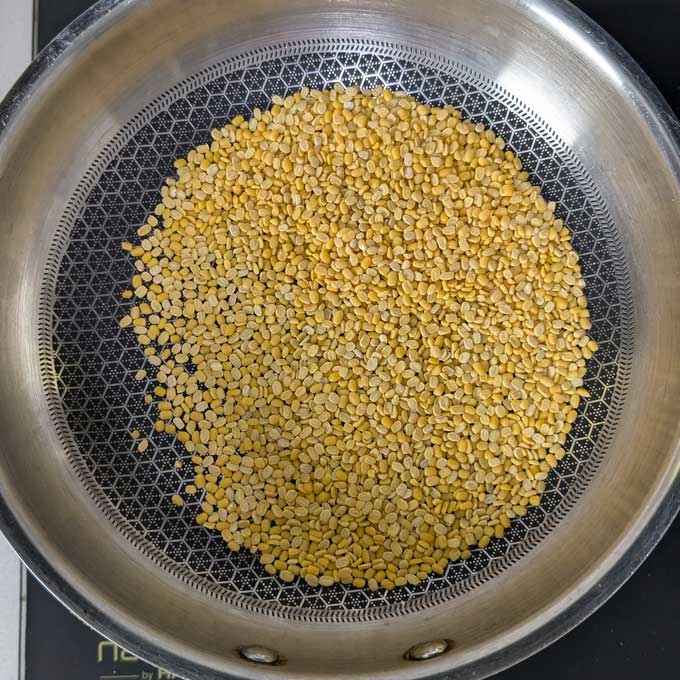
Step 1: Roasting Moong Dal
- Start by dry roasting the yellow moong separately in a pan over low heat for 2-3 minutes until a pleasant aroma is released.
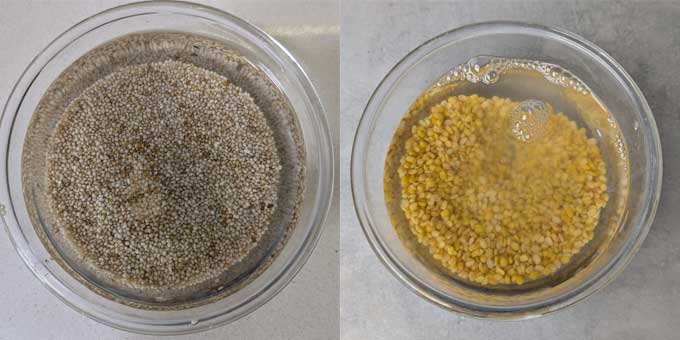
Step 2: Soak Millets and Lentil
- Rinse and soak barnyard millet in clean water for at least 4 – 5 hours.
- Rinse and soak roasted moong for 15 – 20 minutes.
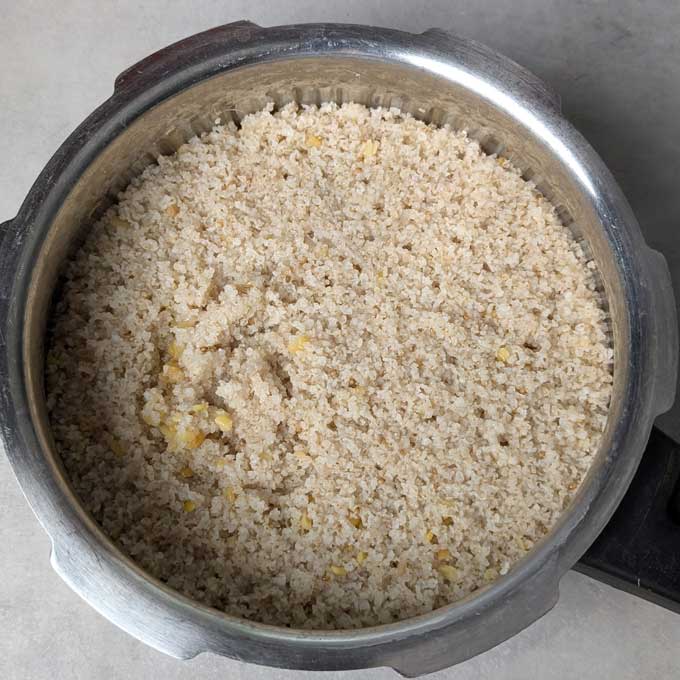
Step 3: Pressure Cook
- Add the soaked millet, moong, ginger, asafoetida, salt, and black peppercorns in a pressure cooker.
- Add water, close the lid, and pressure cook over medium heat for 2 – 3 whistles or until both ingredients are soft and fully cooked. If you prefer a porridge-like consistency, add more water to achieve the desired texture.
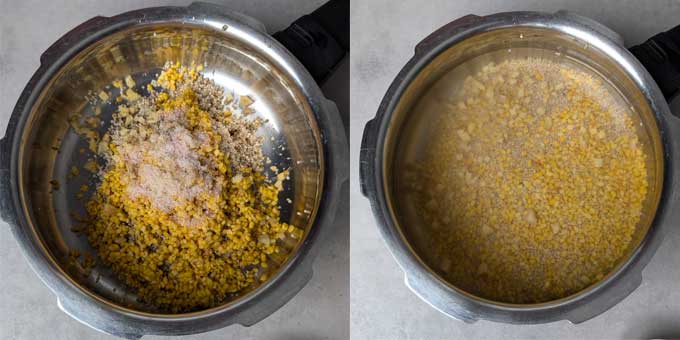
- Allow the steam to release naturally from the pressure cooker.
Step 4: Tempering Pongal
- Heat the ghee in a small pan over medium heat.
- Add the cumin seeds, mustard seeds, curry leaves, and cashews. Let the spices sizzle for a few seconds, releasing their fragrant oils. If you’re using cashews, fry until golden brown.
- Pour the tempering over the cooked pongal, and gently stir to combine. Let the flavours meld for a couple of minutes on low heat.
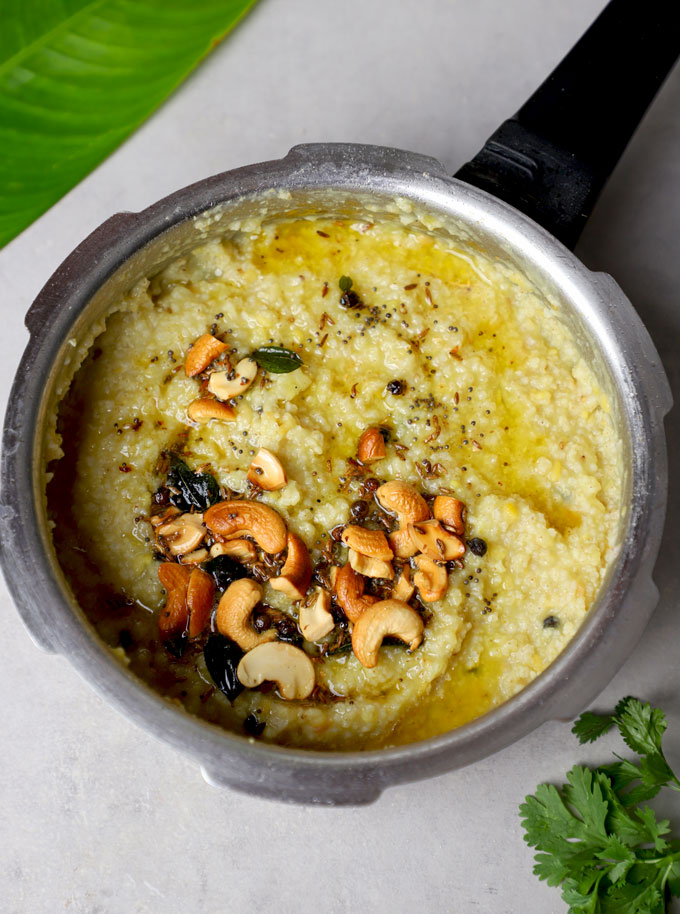
Garnish with freshly chopped coriander leaves. Serve millet pongal with coconut chutney or sambar for a complete South Indian meal.
My Tried and True Tips
- Adjust Water Based on Consistency : Barnyard millet tends to absorb more water than rice, so keep an eye on the consistency while cooking. For a softer texture, add more water.
- Add Vegetables : If you prefer a more wholesome pongal, add chopped vegetables like carrots, peas, or beans while pressure cooking.
- Vegan Option : If you prefer a vegan pongal, replace ghee with coconut or peanut oil.
- Add More Spices : Feel free to experiment with other spices like cardamom, cinnamon, or cloves for a unique twist on the flavour.
More Millet Recipes
- Vegetable Millet Khichdi
- Ragi Dosa Batter
- Millet Kheer
- Ragi Cake
- Ragi Roti
Ingredients
- ▢ ⅓ Cup barnyard millet (sama rice)
- ▢ ¼ Cup yellow moong dal
- ▢ 1 teaspoon black peppercorns
- ▢ ¼ teaspoon hing (asafoetida)
- ▢ 1 inch ginger, chopped
- ▢ 1 teaspoon salt or to taste
- ▢ 2 Cup water
Ingredients For Tadka:
- ▢ 2 tablespoon ghee
- ▢ 1 teaspoon cumin seeds
- ▢ 1 teaspoon black mustard seeds (rai)
- ▢ 2 tablespoon chopped cashews
- ▢ 1 sprig curry leaves
Instructions
- Start by dry roasting the yellow moong separately in a pan over low heat for 2-3 minutes until a pleasant aroma is released.
- Rinse and soak barnyard millet in clean water for at least 4 – 5 hours.
- Rinse and soak roasted moong for 15 – 20 minutes.
- After the soaking time, add the millet, moong, ginger, asafoetida, salt, and black peppercorns in a pressure cooker.
- Add water, close the lid, and pressure cook over medium heat for 2 – 3 whistles or until both ingredients are soft and fully cooked. If you prefer a porridge-like consistency, add more water to achieve the desired texture.
- Allow the steam to release naturally from the pressure cooker.
- Heat the ghee in a small pan over medium heat.
- Add the cumin seeds, mustard seeds, curry leaves, and cashews. Let the spices sizzle for a few seconds, releasing their fragrant oils. If you’re using cashews, fry until golden brown.
- Pour the tempering over the cooked pongal, and gently stir to combine. Let the flavours meld for a couple of minutes on low heat.
- Garnish with freshly chopped coriander leaves.
- Serve millet pongal with coconut chutney or sambar for a complete South Indian meal.
Recipe Notes:
- Roasting moong is an optional step. Without roasting also you can make the pongal.
- Substitute barnyard millet with quinoa or any other variety of millet.
Nutrition
We follow a strict NO SPAM Policy
