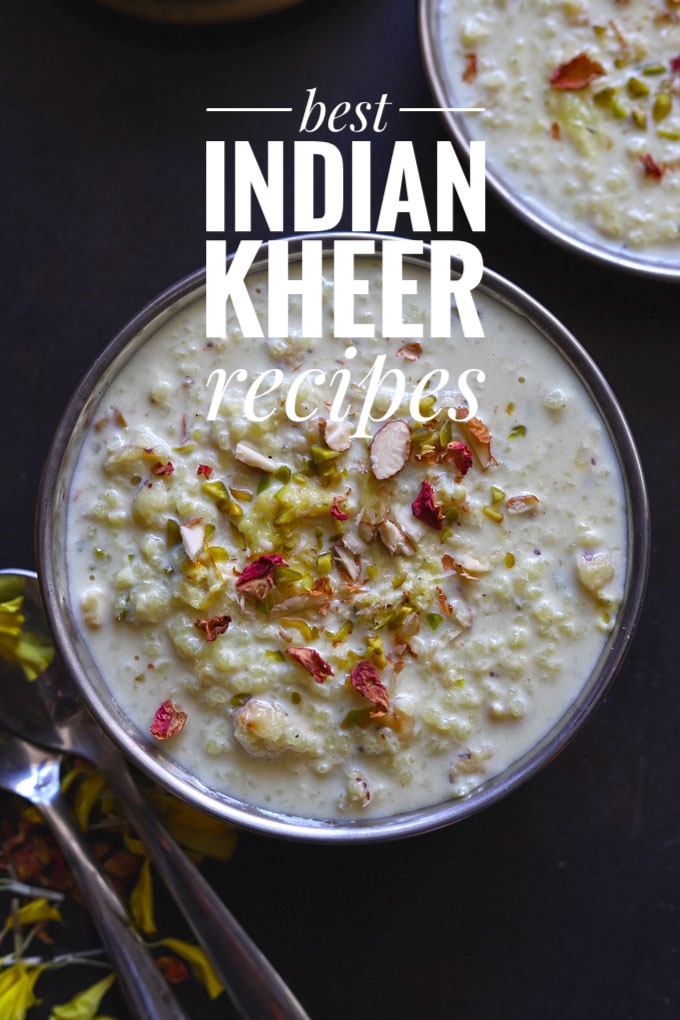
Looking for a delicious kheer recipe? We have got for you rich, creamy, and indulgent Indian kheer recipes for every occasion.
- What is Kheer?
- Secrets of a Perfectly Creamy Kheer
- Here are delicious Indian Kheer Recipes
What is Kheer?
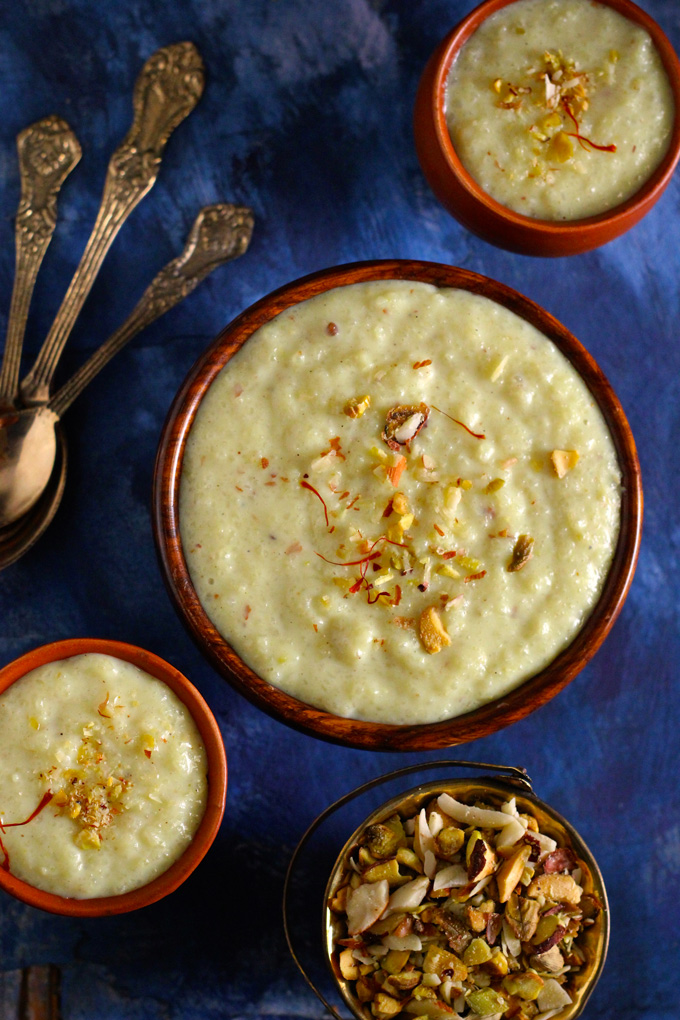
Kheer is a popular dessert from the Indian sub-continent. It is a variety of milk pudding made with milk, rice, and flavoured with green cardamom, saffron, or at times with dry fruits. Kheer is a perfect one-pot dessert for any celebratory occasion or Indian festival.
There are a variety of kheer recipes where rice is substituted with other grains, millets, fruits, vermicelli and so on. It is a gluten-free dessert that has a thick, creamy consistency. Also known as payasam in Southern part of India.
Secrets of a Perfectly Creamy Kheer
To make a delicious kheer is indeed an art. One thumb rule that I always follow with all the kheer recipes is – patience . A good grandmother like kheer is never done in haste. It requires slow cooking and time for milk to thicken.
Here are few tried and tested tips to make a kheer tastier:
- Full cream (fat) milk is the best to make any kheer or Indian pudding. The full-fat milk gives a thick and luscious texture to the kheer.
- The Indian desserts like kheer are never done in a short span of time. They require patience and labor of love. Wait until the milk reduces almost to half the original amount and thickens nicely.
- Always cook kheer over low heat and in a heavy bottom deep saucepan. Non-stick pan or lightweight vessels are not ideal for making a kheer as milk might get burnt.
- Don’t forget to add cardamom, saffron, and dry-fruits in kheer. The richness and aroma in the Indian desserts come from all the mentioned ingredients.
- Before adding dry-fruits fry them for 2 – 3 minutes in a tablespoon of ghee (clarified butter) for better taste.
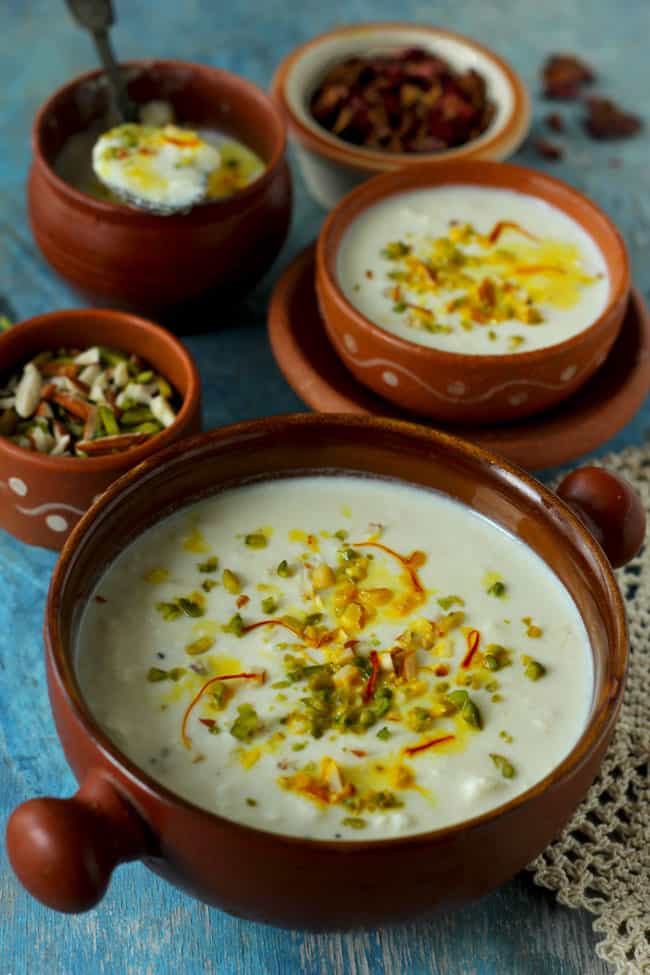
The thick and luscious texture of the kheer is like a dream come true. But that is not achieved by mixing the corn-starch slurry in the kheer. The best way to thicken kheer is to allow full-fat milk to simmer at low heat until it reduces almost half the original amount. Till then you don’t add sugar. Keep on stirring the kheer at regular intervals to collect the cream (malai) from the sides of the pan and combine it back into the milk. This gives kheer a creamy texture.
During the summer season, kheer can be stored in the fridge for 2 – 3 days. While in cold regions or during the winter season it remains good for 3 – 5 days in the fridge. Kheer is a milk-based dessert hence it has a short shelf life. So it is best to consume any kind of milk pudding within a day or two.
Here are delicious Indian Kheer Recipes
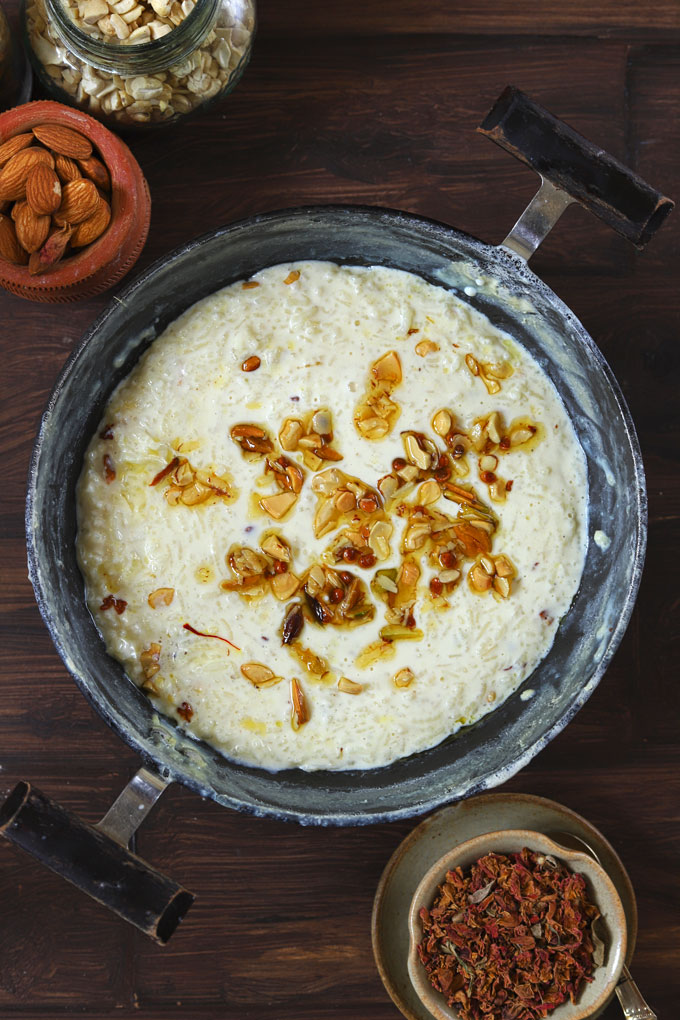
Rice Kheer is a traditional Indian dessert. Also, known as chawal ki kheer. Get FULL RECIPE
Carrot Sabudana Kheer is a must try delicious version of sago kheer. FULL RECIPE
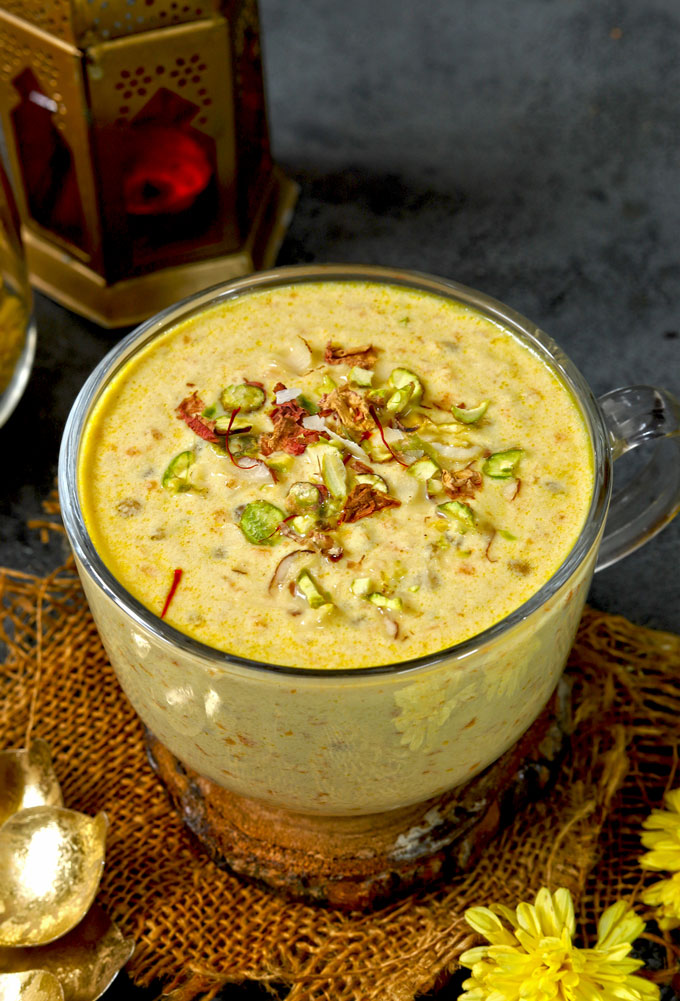
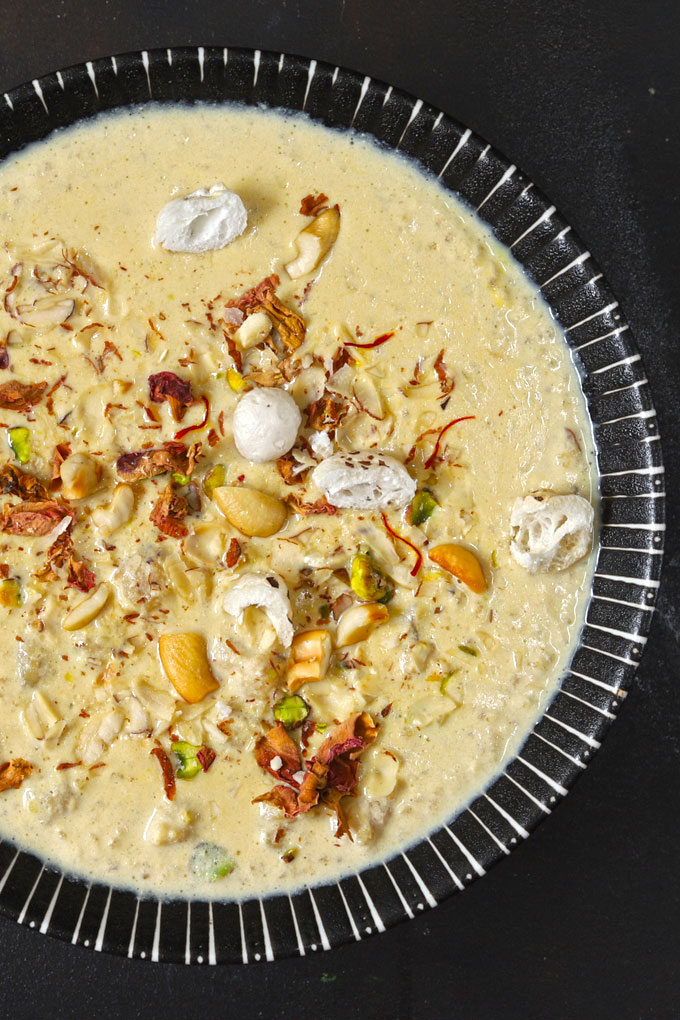
Vrat Special Makhana Kheer is made with barnyard millet, and foxnuts. FULL RECIPE
Paneer Kheer , also known chanar payesh, is a tasty kheer recipe of paneer. FULL RECIPE
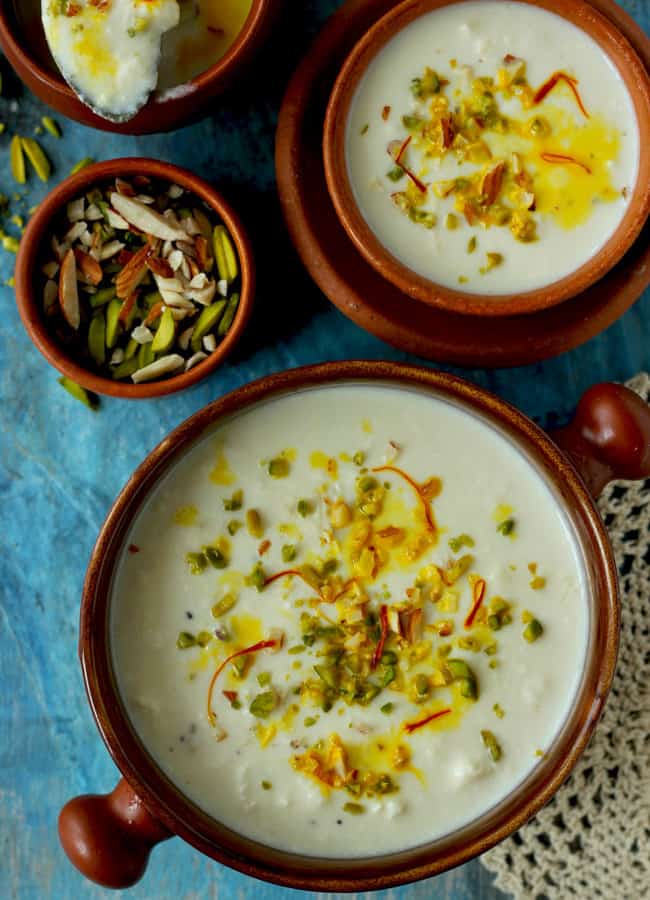
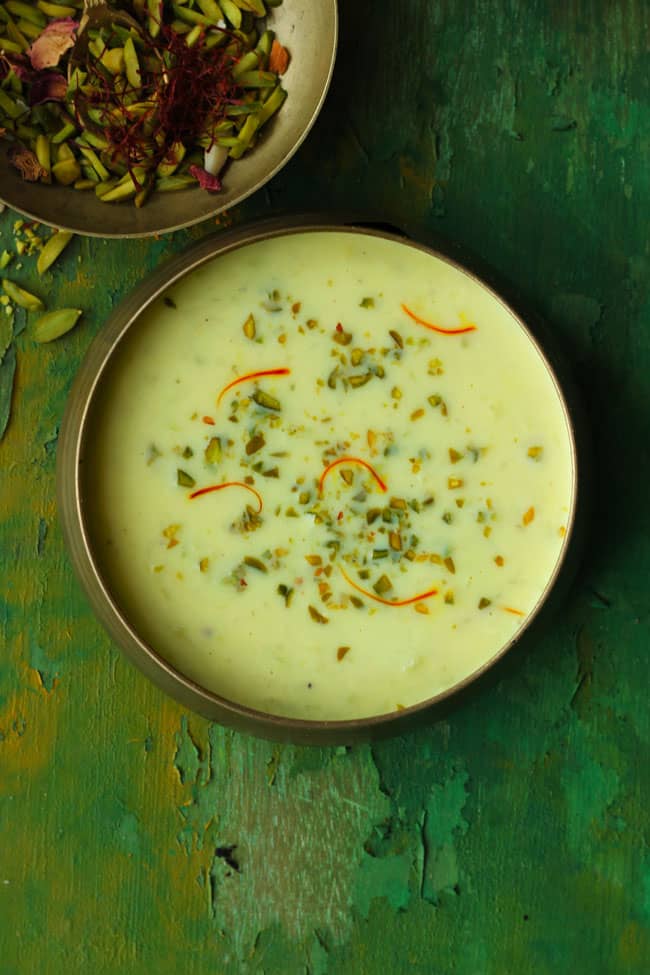
Lauki Ki Kheer is a creamy kheer recipe with bottle gourd (lauki). FULL RECIPE
Orange Kheer (Komola Lebur Payesh) combines the richness of milk with oranges. FULL RECIPE
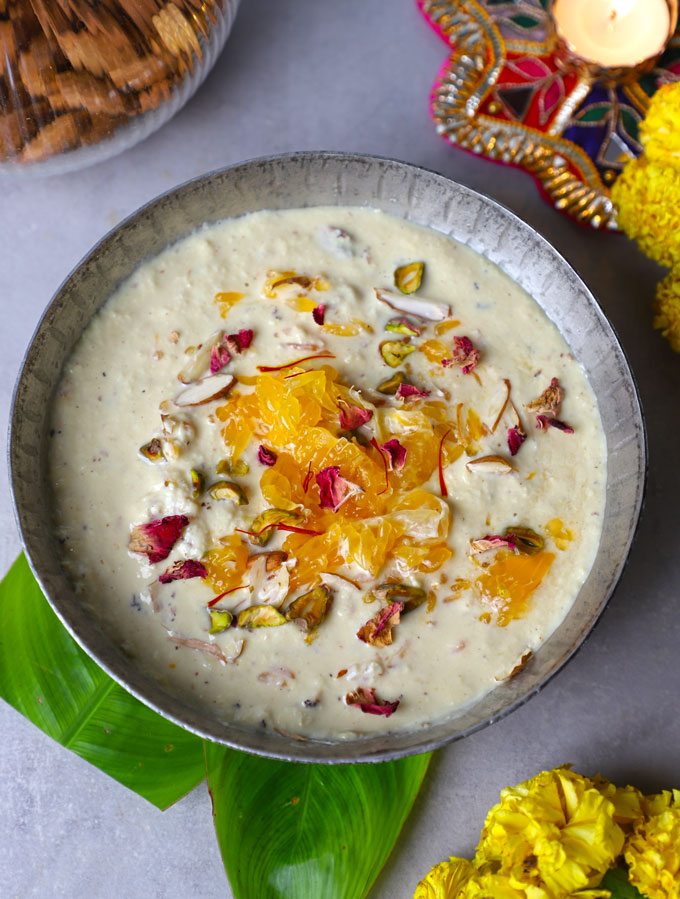
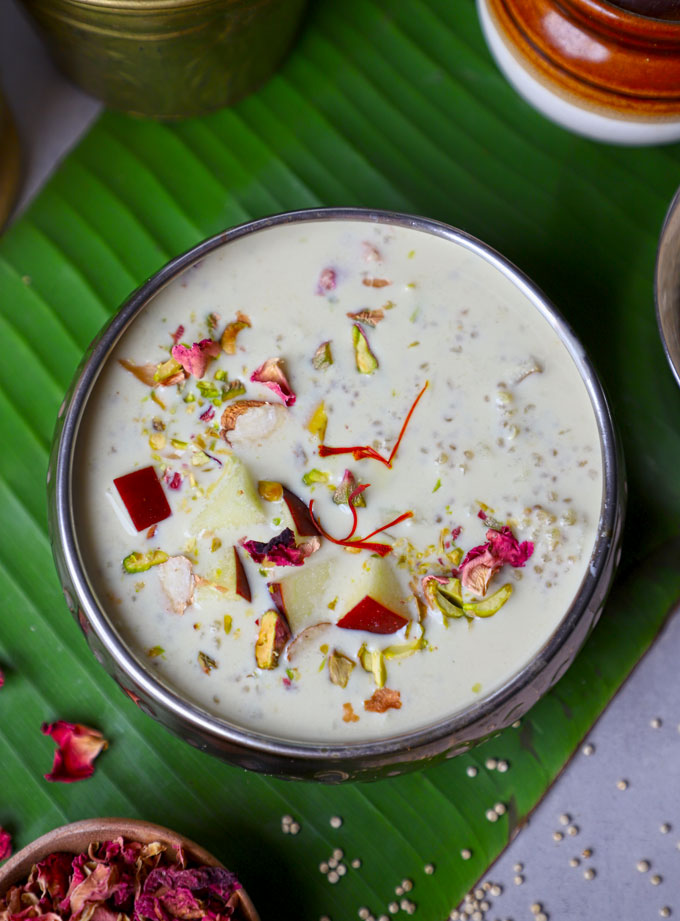
Quinoa Apple Kheer recipe is a healthy dessert. FULL RECIPE
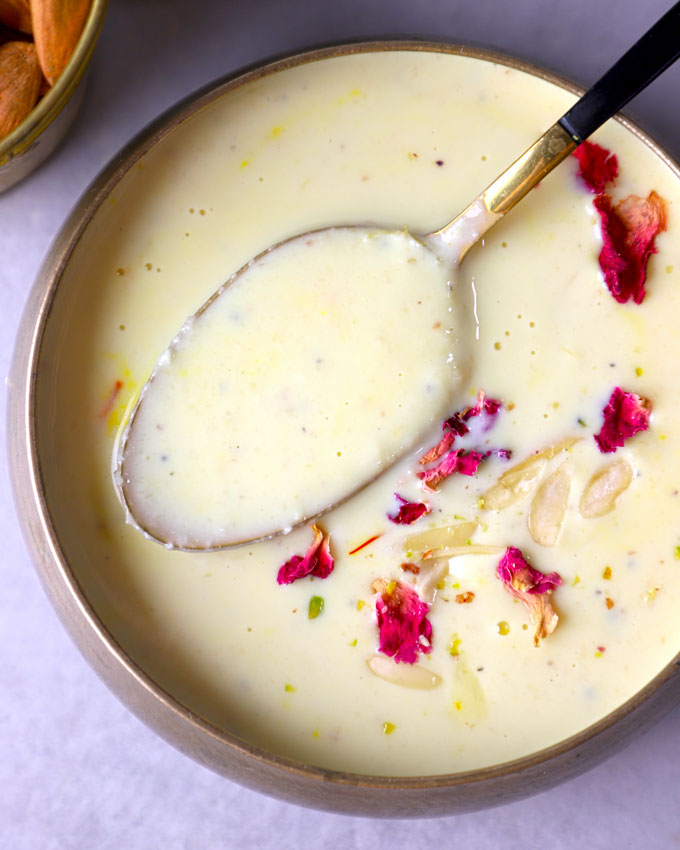
Badam Kheer, also known as Badam Payasam, is a rich South Indian dessert. FULL RECIPE
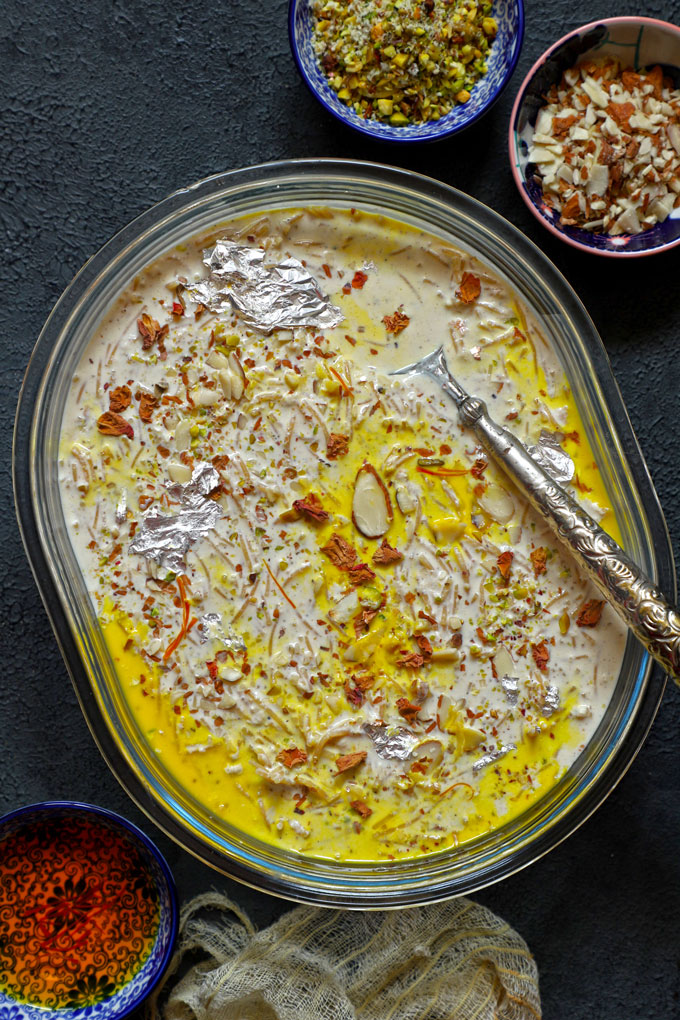
Seviyan Kheer is prepared on the auspicious occasion of Eid. FULL RECIPE
Sabudana kheer is more than just a dessert; it’s a bowl of nostalgia. FULL RECIPE
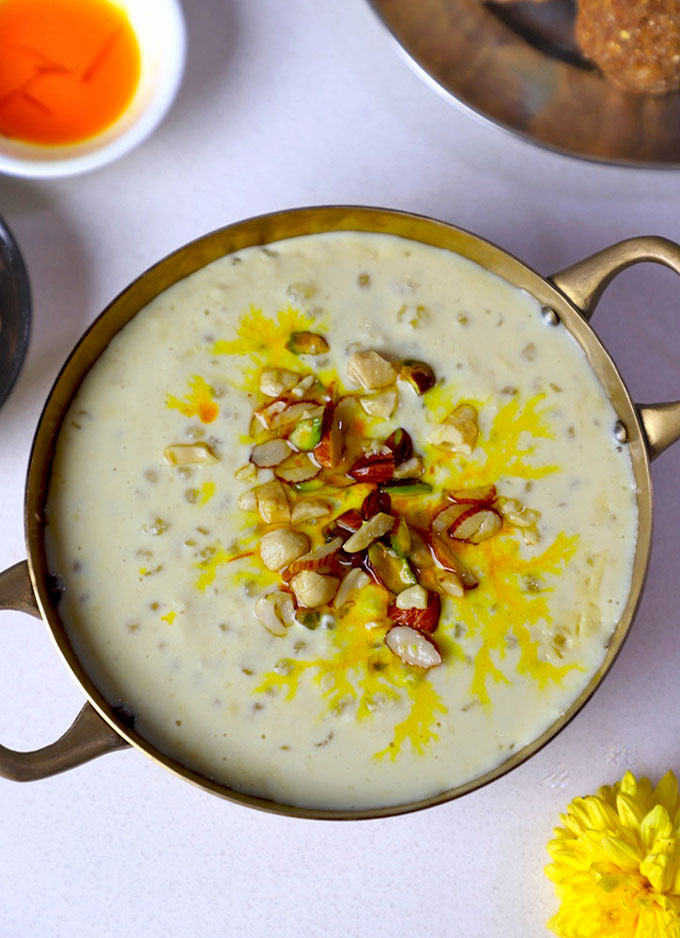
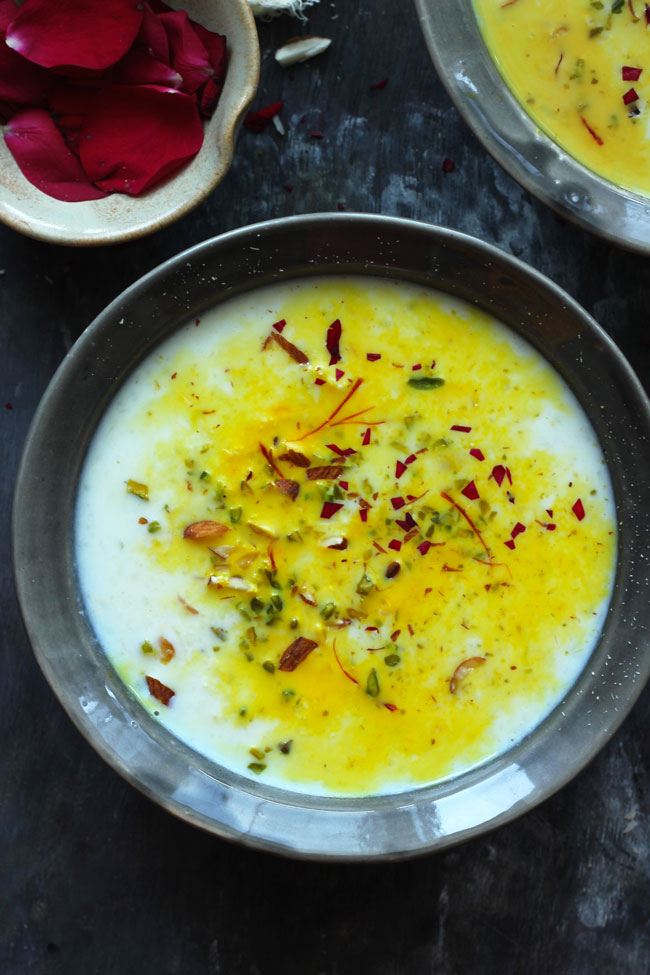
Gobi Ki Kheer is a scintillatingly festive cauliflower kheer (pudding). FULL RECIPE
Doodh Pak is a Gujarati style rice kheer. Get FULL RECIPE
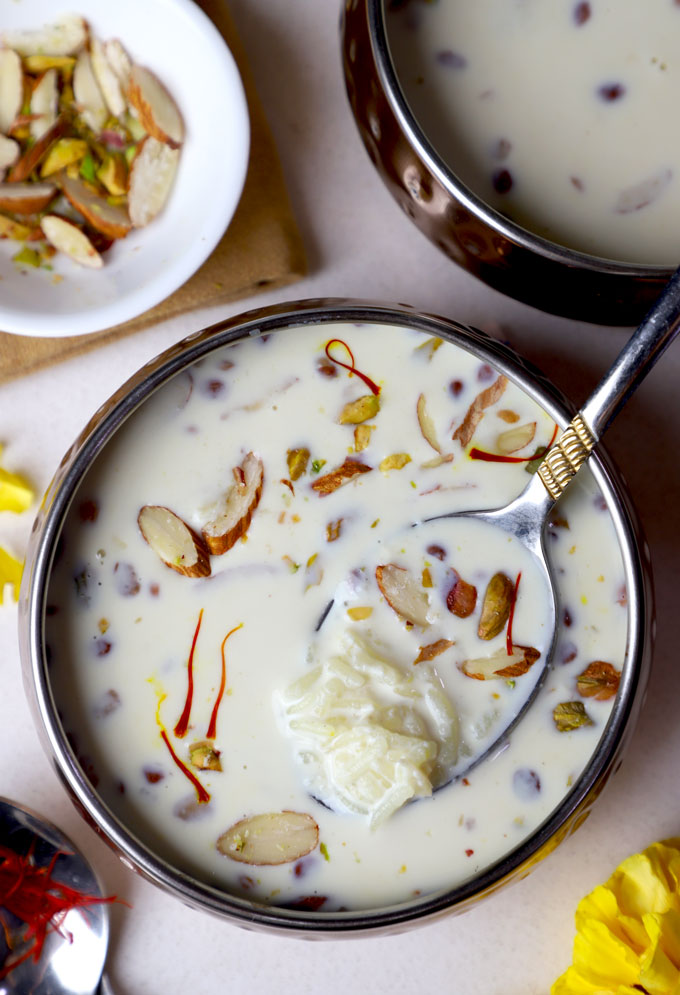
Bonus Phirni Recipes
Phirni is a rich, aromatic, and creamy milk pudding widely popular in the Indian subcontinent. It is believed to have come into existence during the Mughal era as a royal desert.
Here are a few Indian phirni recipes that you’ll love.
- Vegan Badam Phirni has the goodness of almond milk, brown rice, and jaggery powder, making it a wholesomely delicious Indian dessert. GET FULL RECIPE
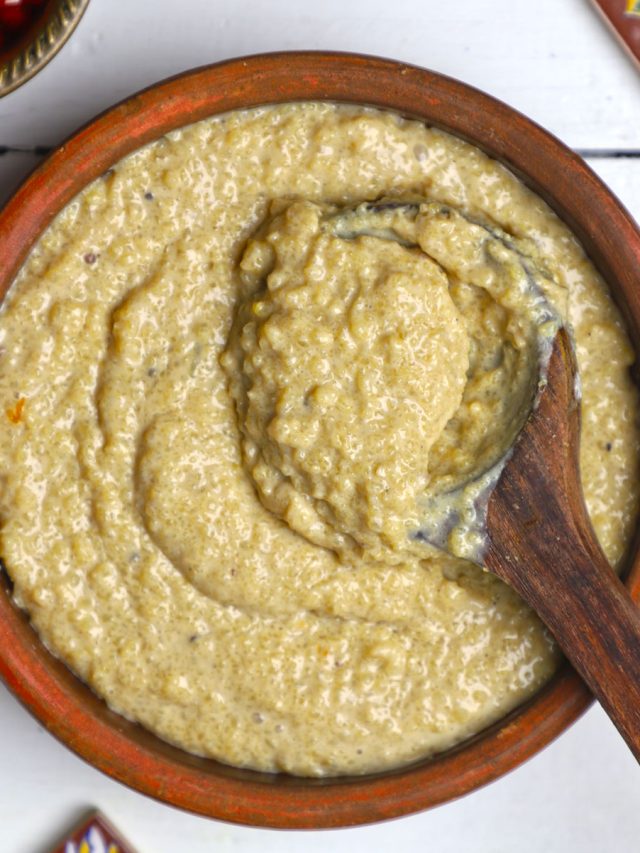
- Phool Makhana Phirni is a low-carb twist to the classic phirni. The foxnut is a low-carbohydrate substitute for rice in this phirni recipe. GET FULL RECIPE
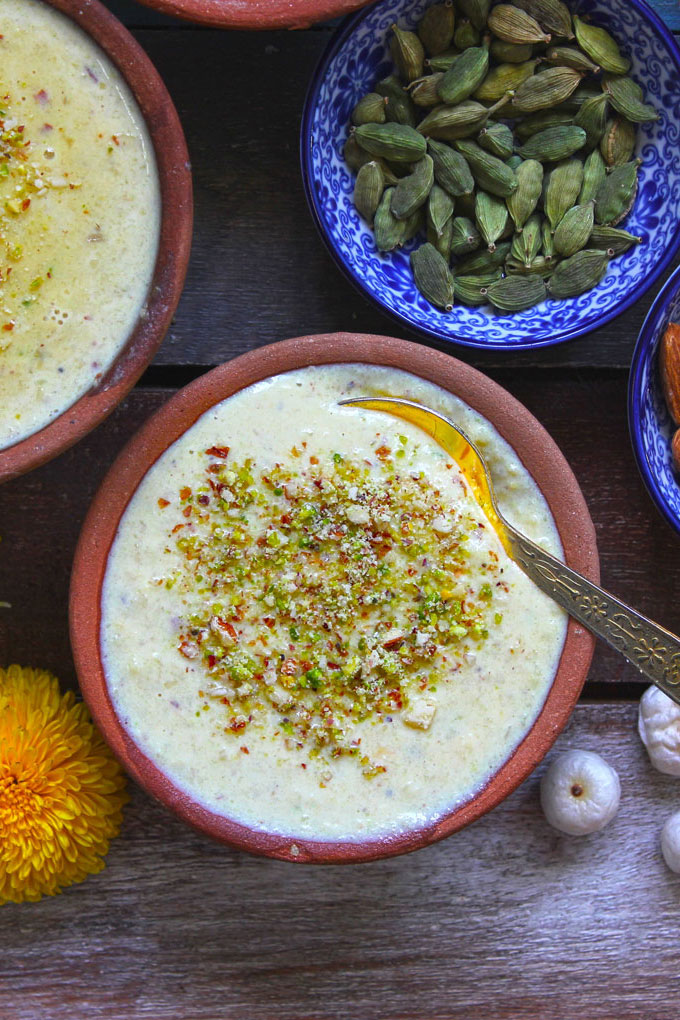
- Traditional Rice Phirni is a popular Indian sweet dish made with rice, milk, and sugar. This is a tried and tested Mughlai-style traditional phirni recipe. GET FULL RECIPE
We follow a strict NO SPAM Policy
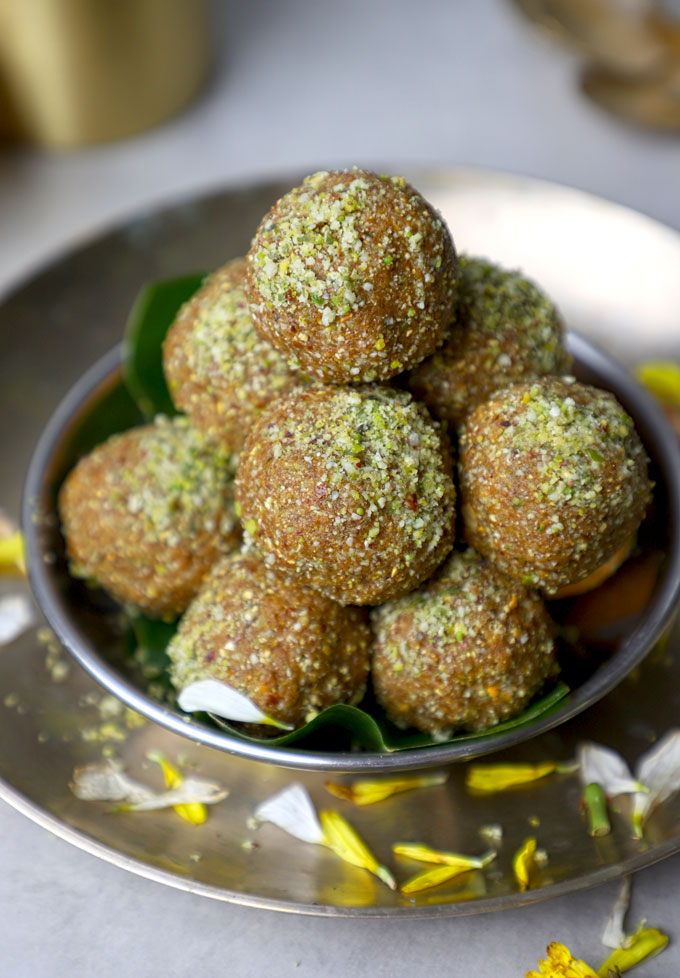
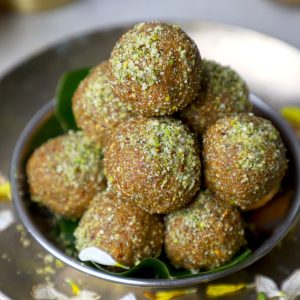
Sattu Ke Laddu—a protein-packed Indian sweet without refined sugar that is as delicious as it is good for you.
Estimated reading time: 5 minutes
- What is Sattu?
- Ingredients You’ll Need
- How To Make Sattu Ke Laddu
- Sattu Ke Laddu Recipe
Whether you’re a fitness enthusiast looking for a healthy snack, a busy professional in need of a quick energy boost, or simply someone who loves delicious and wholesome desserts, these protein-packed sattu ke laddu are a must-try.
What is Sattu?
Hailing from the Indian subcontinent, Sattu is a flour made from roasted brown chickpeas/gram. It’s often referred to as the “poor man’s protein” due to its affordability and incredible nutritional value. Sattu is a fantastic source of plant-based protein, dietary fiber, and essential minerals. Its low glycemic index makes it a great choice for managing blood sugar levels, and its cooling properties are cherished during hot summer months.
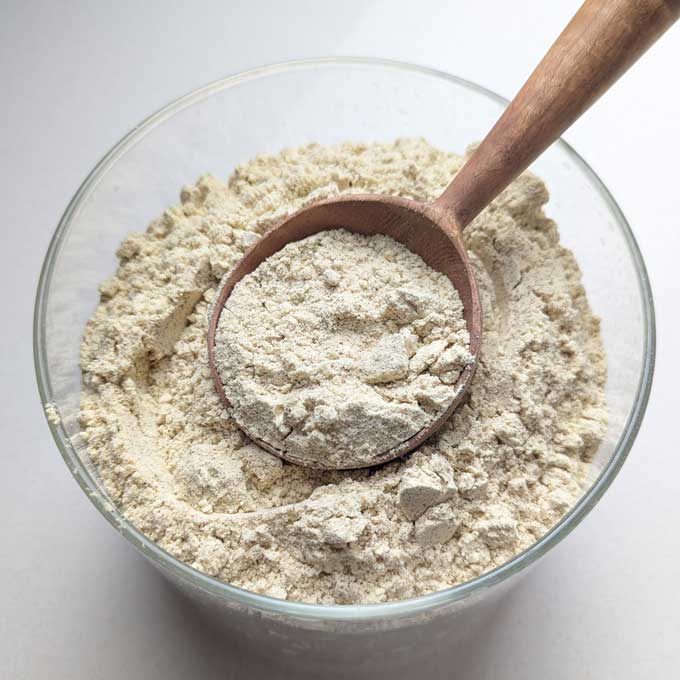
Sattu is commonly enjoyed as a refreshing drink (sharbat) or as a filling for parathas. By combining Sattu with other nutrient-dense ingredients like nuts, seeds, and date, we create an Indian sweet that is:
- High in Protein: Perfect for post-workout or as a healthy mid-day snack.
- Sugar-Free: We’re using dates and raisins instead of refined sugar.
- Gluten-Free: A great option for those with gluten sensitivities.
- Quick-Cook: This laddu recipe requires minimal cooking unlike besan ladoo , making it incredibly easy and quick to prepare.
Ingredients You’ll Need
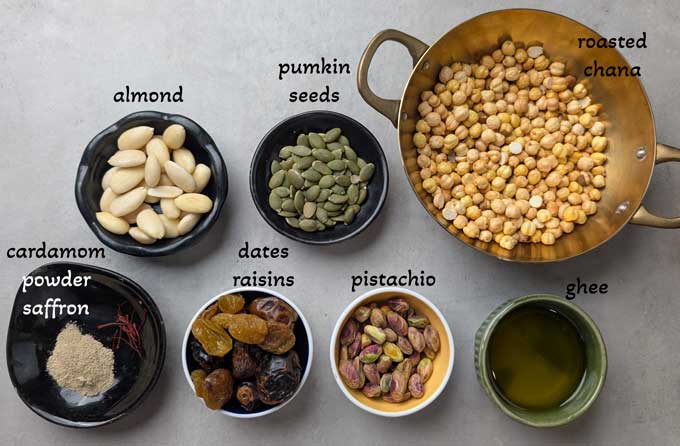
- Sattu: For this laddu recipe sattu flour is not required, instead roasted brown chickpea (chana) is good enough. Remove the brown husk by gently rubbing, and roast chickpeas in ghee.
- Nuts : Almond, Pistachio, Walnut, Pumpkin Seeds
- Sweetener: Pitted Dates and Golden Raisins.
- Ghee for roasting chana and nuts.
- Cardamom Powder and Saffron for flavour.
- Milk or Date Syrup for binding (optional)
How To Make Sattu Ke Laddu
1)Roast the Chana (Gram)
- Usually roasted brown chana comes with husk. Gently rub them in between a clean muslin cloth, discard the husk, and use the chickpeas.
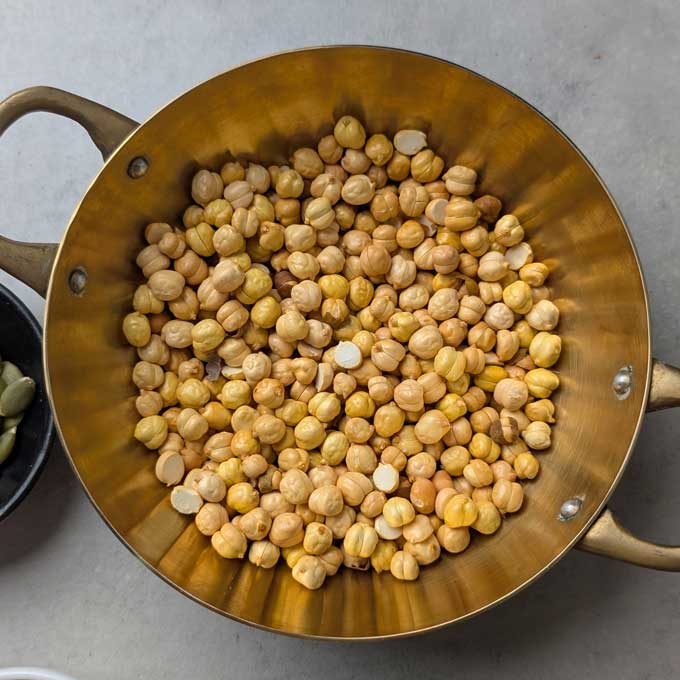
- While the brown chickpeas are pre-roasted, a quick toast in a pan enhances its flavour of the laddu.
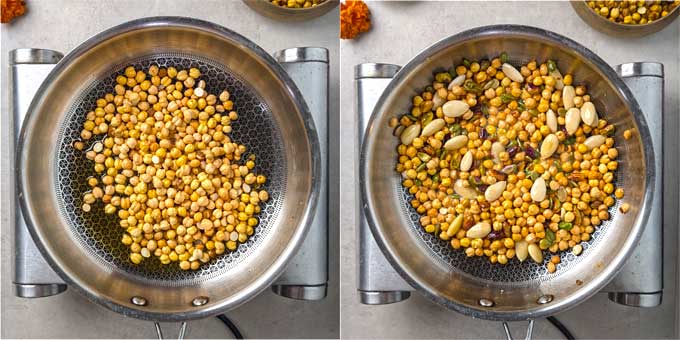
- Heat ghee in a heavy-bottomed pan over low heat and add the chana.
- Fry while continuously stirring over low heat for 5 – 6 minutes until it becomes fragrant. Be careful not to burn it.
2) Fry Nuts and Seeds
- Once chana is roasted, add nuts and seeds to the pan.
- Fry them for a 1 – 2 minutes. Turn off the heat.
3) Blend all ingredients
- Add roasted chana and nuts to a food processor with blade attachment.
- Add pitted dates, raisins, cardamom powder, and ghee.
- Pulse till the ingredients turn into medium coarse, sticky mixture.
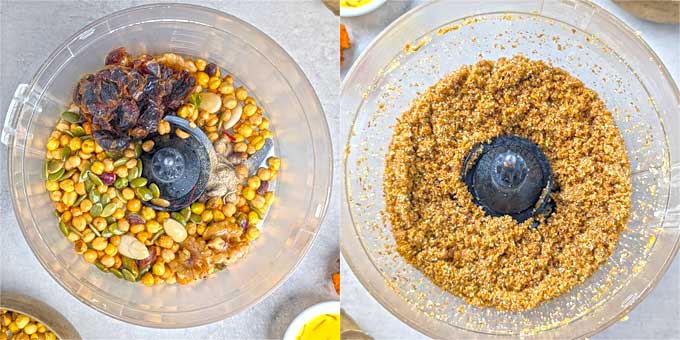
- At this stage, take a small portion and try to form a ball. If it crumbles and doesn’t hold its shape, add 1-2 tablespoons of warm milk or date syrup, one spoonful at a time, and mix until the mixture can be easily bound into a ladoo. Be careful not to add too much milk, as it can make the mixture sticky.
4)Shape the Laddus:
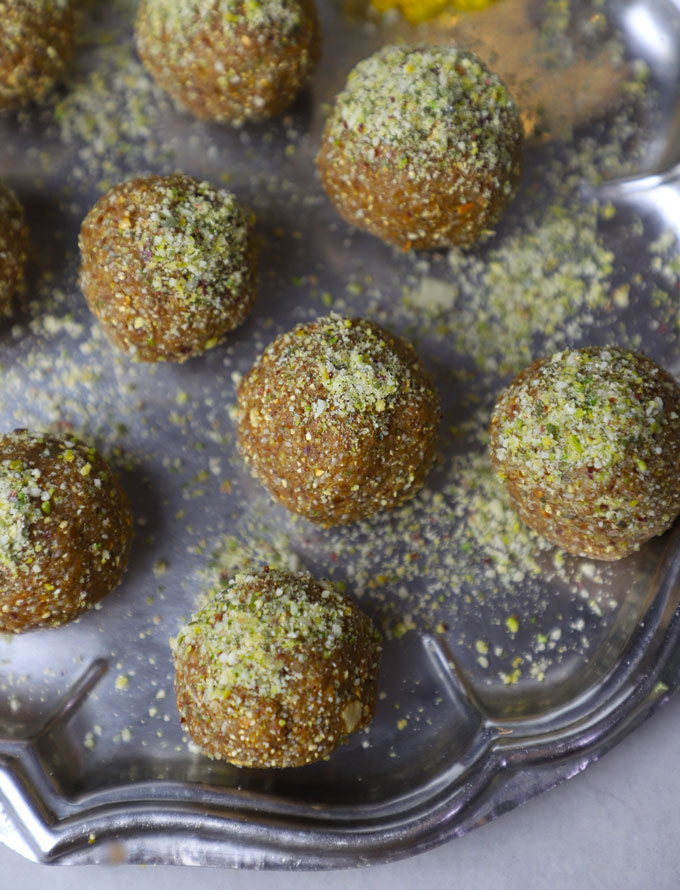
- Once the mixture is at a comfortable temperature, take a big tablespoon of portion and press them firmly between your palms to form smooth, round balls.
- Place the shaped sattu ke laddu on a plate and let them cool completely.
Store them in an airtight container at room temperature. They will last for up to 2-3 weeks.
More Healthy Indian Desserts
- Shrikhand
- Makhana Phirni
- Caramel Makhana
- Apple Quinoa Kheer
- Vegan Badam Phirni
- Dry Fruits Atta Laddu
Ingredients
- ▢ 2 Cup roasted brown chana (gram)
- ▢ ½ Cup skinned almonds
- ▢ ¼ Cup unsalted pistachio
- ▢ ¼ Cup pumpkin seeds
- ▢ ¼ Cup walnuts
- ▢ 2 tablespoon ghee
- ▢ 5 golden raisins
- ▢ 10 dates, pitted
- ▢ 1 teaspoon cardamom powder
- ▢ ¼ teaspoon saffron (kesar)
Instructions
- Usually roasted brown chana comes with husk. Gently rub them in between a clean muslin cloth, discard the husk, and use the chickpeas.
- Heat ghee in a heavy-bottomed pan over low heat and add the chana. Fry while continuously stirring over low heat for 5 – 6 minutes until it becomes fragrant. Be careful not to burn it. Once chana is roasted, add nuts and seeds to the pan. Fry them for a 1 – 2 minutes. Turn off the heat.
- Add roasted chana and nuts to a food processor with blade attachment. Add pitted dates, raisins, cardamom powder, and ghee. Pulse till the ingredients turn into medium coarse, sticky mixture.
- Once the mixture is at a comfortable temperature, take a big tablespoon of portion and press them firmly between your palms to form smooth, round balls.
- Place the shaped sattu ke laddu on a plate and let them cool completely. Store them in an airtight container at room temperature.
Recipe Notes:
- Nutty Goodness: Feel free to experiment with other nuts and seeds like cashew, walnuts, sunflower seeds, or flax seeds for added nutrition. Flavour Boost: Add a pinch of nutmeg or mix in some shredded coconut (fresh or dried). Vegan Option: Substitute the ghee with an equal amount of coconut oil or any other plant-based oil. Date Substitute: If you prefer, you can use liquid jaggery or pureed dates as a natural sweetener. The quantity may vary, so adjust accordingly. For Binding: If the laddu mixture isn’t coming together, add 1-2 tablespoons of warm milk or date syrup, one spoonful at a time, and mix until the mixture can be easily bound into a ladoo. Be careful not to add too much milk, as it can make the mixture sticky. Bind the laddu while the mixture is lukewarm. This makes binding easy.
Nutrition
We follow a strict NO SPAM Policy
